Carbazole → 9-Acetyl-9H-carbazole
Reaction equation

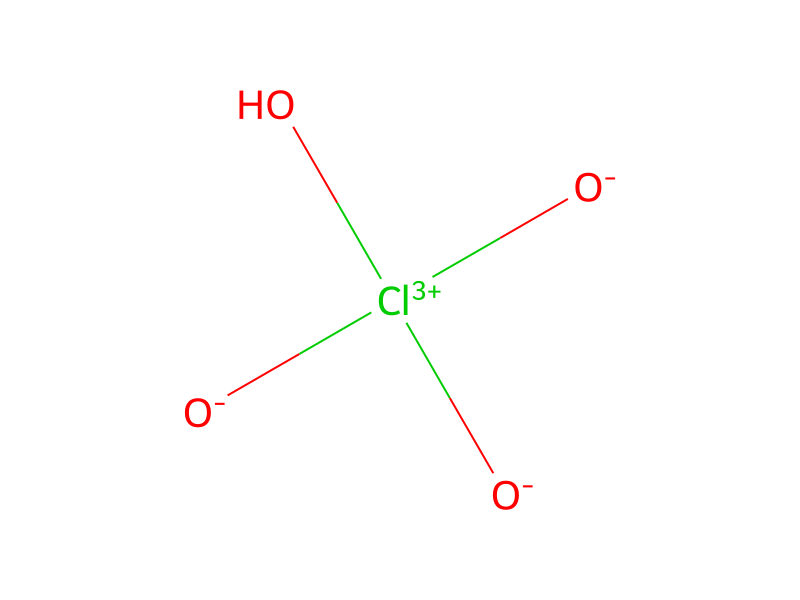
[CH:1]1[C:13]2[NH:12][C:11]3[C:6](=[CH:7][CH:8]=[CH:9][CH:10]=3)[C:5]=2[CH:4]=[CH:3][CH:2]=1.Cl(O)(=O)(=O)=O.[C:19](OC(=O)C)(=[O:21])[CH3:20]>>[C:19]([N:12]1[C:11]2[CH:10]=[CH:9][CH:8]=[CH:7][C:6]=2[C:5]2[C:13]1=[CH:1][CH:2]=[CH:3][CH:4]=2)(=[O:21])[CH3:20]Participants
4



Procedure
This compound is obtained according to Tetrahedron (1980), 36, 3017-3019. The carbazole (10 g; 60 mmol) is suspended in 150 ml of acetic anhydride. 70% perchloric acid (0.5 ml) is added. After stirring for 30 minutes at ambient temperature, the mixture is poured into ice and the precipitate formed is filtered. After drying under vacuum, redissolving in dichloromethane and treatment with bone charcoal, the suspension is filtered on celite, the solvents are evaporated off and the product recrystallized from heptane. 12 g of brown crystals (yield of 90%) is obtained in this way. Melting point: 70-71° C. (literature: 72-74° C.).
Workup
- customThis compound is obtained
- additionthe mixture is poured into ice
- customthe precipitate formed
- filtrationis filtered
- customAfter drying under vacuum
- dissolutionredissolving in dichloromethane
- filtrationtreatment with bone charcoal, the suspension is filtered on celite
- customthe solvents are evaporated off
- customthe product recrystallized from heptane
Sources & evidence
- ORD record
- ord-67cb795502e949b281fc0fa3f5becdf4
- Source dataset
- uspto-grants-2011_06
- Patent number
- US07956075B2
Reaction notes
Loading…