Malonic Acid → 4-Phenoxyquinoline
Reaction equation

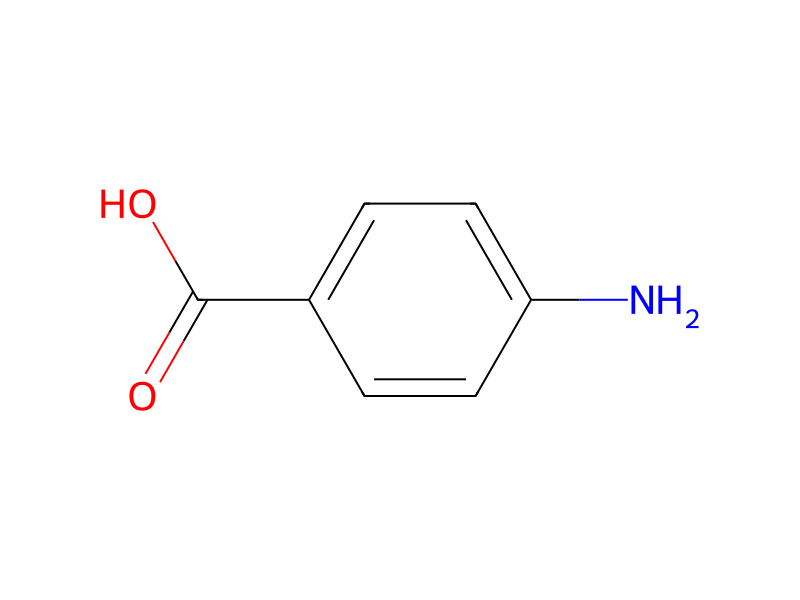
[O:1]([C:8]1[C:17]2[C:12](=[CH:13][CH:14]=[CH:15][CH:16]=2)[N:11]=[CH:10][CH:9]=1)[C:2]1[CH:7]=[CH:6][CH:5]=[CH:4][CH:3]=1.[NH2:18][C:19]1[CH:27]=[CH:26][C:22]([C:23]([OH:25])=[O:24])=[CH:21][CH:20]=1.[C:28](O)(=[O:33])[CH2:29][C:30](O)=[O:31].P(Cl)(Cl)(Cl)=O>>[O:1]([C:8]1[C:17]2[C:12](=[CH:13][CH:14]=[CH:15][CH:16]=2)[N:11]=[CH:10][CH:9]=1)[C:2]1[CH:3]=[CH:4][CH:5]=[CH:6][CH:7]=1.[OH:33][C:28]1[C:27]2[C:19](=[CH:20][CH:21]=[C:22]([C:23]([OH:25])=[O:24])[CH:26]=2)[NH:18][C:30](=[O:31])[CH:29]=1Participants
6




Procedure
The 4-phenoxyquinoline core structure was synthesized according to a published procedure (42). The synthesis of compound 3 is described in FIG. 13. The synthesis began with stirring p-aminobenzoic acid with malonic acid and phosphorus oxychloride to yield 4-hydroxy-6-carboxy-2-(1H)-quinolinone. Reacting the quinolinone with dichloroiodobenzene is followed by refluxing with butanol produced 3-Iodo-4-phenoxyl-6-carboxyl-2-(1H)-quinolinone. Diodination of the 3-iodo quinolinone yielded compound 3.
Sources & evidence
- ORD record
- ord-b545bf2c37824ea2bc15d67e4e3d0ebb
- Source dataset
- uspto-grants-2011_06
- Patent number
- US07960548B2
Reaction notes
Loading…