Ammonium Chloride → Benzyl 2,3-diaminobenzoate
Reaction equation

[Cl-].[NH4+].[NH2:3][C:4]1[C:19]([N+:20]([O-])=O)=[CH:18][CH:17]=[CH:16][C:5]=1[C:6]([O:8][CH2:9][C:10]1[CH:15]=[CH:14][CH:13]=[CH:12][CH:11]=1)=[O:7]>[Fe].C(O)C.O>[NH2:3][C:4]1[C:19]([NH2:20])=[CH:18][CH:17]=[CH:16][C:5]=1[C:6]([O:8][CH2:9][C:10]1[CH:15]=[CH:14][CH:13]=[CH:12][CH:11]=1)=[O:7]Participants
5
Reactant 2


Product 1

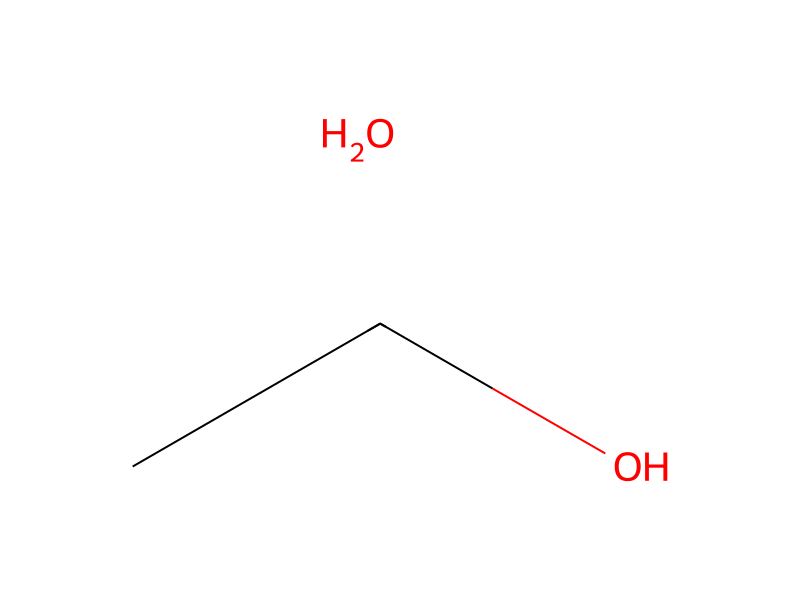
Reagents, catalysts & solvents 2

Procedure
Iron powder (0.78 g) and ammonium chloride (0.15 g) were added in that order to an ethanol/water (4/1) solution (40 mL) of benzyl 2-amino-3-nitrobenzoate (0.38 g), and this was heated under reflux for 20 minutes with vigorous stirring. The insoluble matter was separated by filtration while hot, and the filtrate was evaporated under reduced pressure to about ⅕, and then aqueous sodium hydrogencarbonate solution was added, followed by extraction with ethyl acetate. The organic layer was washed with water, dried, and evaporated under reduced pressure to obtain benzyl 2,3-diaminobenzoate (0.33 g).
Workup
- temperaturethis was heated
- temperatureunder reflux for 20 minutes with vigorous stirring
- customThe insoluble matter was separated by filtration while hot, and the filtrate
- customwas evaporated under reduced pressure to about ⅕
- additionaqueous sodium hydrogencarbonate solution was added
- extractionfollowed by extraction with ethyl acetate
- washThe organic layer was washed with water
- customdried
- customevaporated under reduced pressure
Sources & evidence
- ORD record
- ord-ad1e158b50164137bff08822e6bae64b
- Source dataset
- uspto-grants-2011_06
- Patent number
- US07960562B2
Reaction notes
Loading…