5-(6-Benzyloxy-3,4-dihydronaphthalen-2-yl)-6-nitrobenzo[1,3]dioxole → 6-(6-Aminobenzo[1,3]dioxole-5-yl)-5,6,7,8-tetrahydronaphthalen-2-ol
Reaction equation

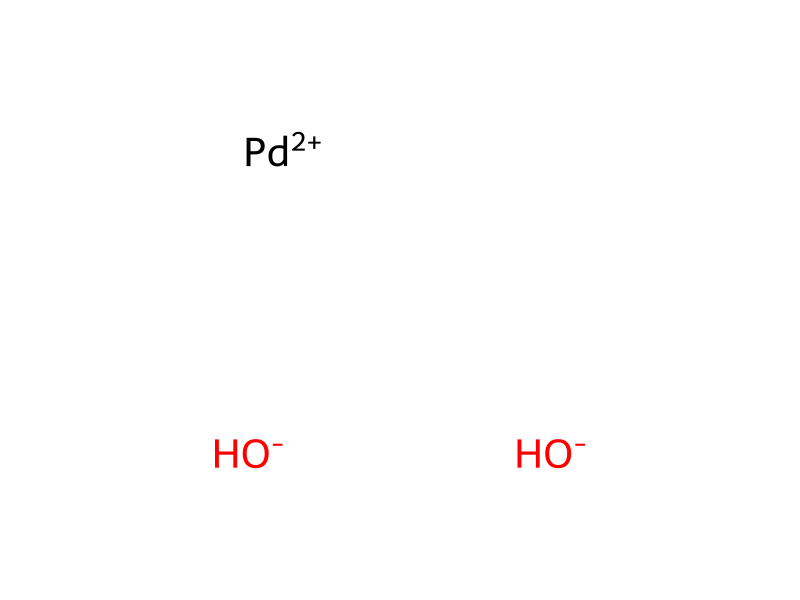
C([O:8][C:9]1[CH:10]=[C:11]2[C:16](=[CH:17][CH:18]=1)[CH:15]=[C:14]([C:19]1[C:27]([N+:28]([O-])=O)=[CH:26][C:22]3[O:23][CH2:24][O:25][C:21]=3[CH:20]=1)[CH2:13][CH2:12]2)C1C=CC=CC=1>C(O)(=O)C.[OH-].[Pd+2].[OH-]>[NH2:28][C:27]1[C:19]([CH:14]2[CH2:13][CH2:12][C:11]3[CH:10]=[C:9]([OH:8])[CH:18]=[CH:17][C:16]=3[CH2:15]2)=[CH:20][C:21]2[O:25][CH2:24][O:23][C:22]=2[CH:26]=1Participants
4



Procedure
To a solution of 5-(6-benzyloxy-3,4-dihydronaphthalen-2-yl)-6-nitrobenzo[1,3]dioxole (832 mg) in acetic acid (10 ml) was added 20% palladium hydroxide-activated charcoal (200 mg), and the solution was stirred for 13 hours at room temperature under a hydrogen atmosphere at 4 atmospheric pressures. After filtration through celite pad, the solution was concentrated, neutralized with aqueous ammonia, extracted with ethyl acetate, then sequentially washed with water and brine, dried over anhydrous magnesium sulfate, and then the solvent was evaporated in vacuo. The residue was purified by NH silica gel column chromatography (hexane-ethyl acetate system) to provide the title compound (240 mg).
Workup
- filtrationAfter filtration through celite pad
- concentrationthe solution was concentrated
- extractionextracted with ethyl acetate
- washsequentially washed with water and brine
- dry with materialdried over anhydrous magnesium sulfate
- customthe solvent was evaporated in vacuo
- customThe residue was purified by NH silica gel column chromatography (hexane-ethyl acetate system)
Sources & evidence
- ORD record
- ord-30555c0777e64a239a1d81f30e79b854
- Source dataset
- uspto-grants-2011_06
- Patent number
- US07960412B2
Reaction notes
Loading…