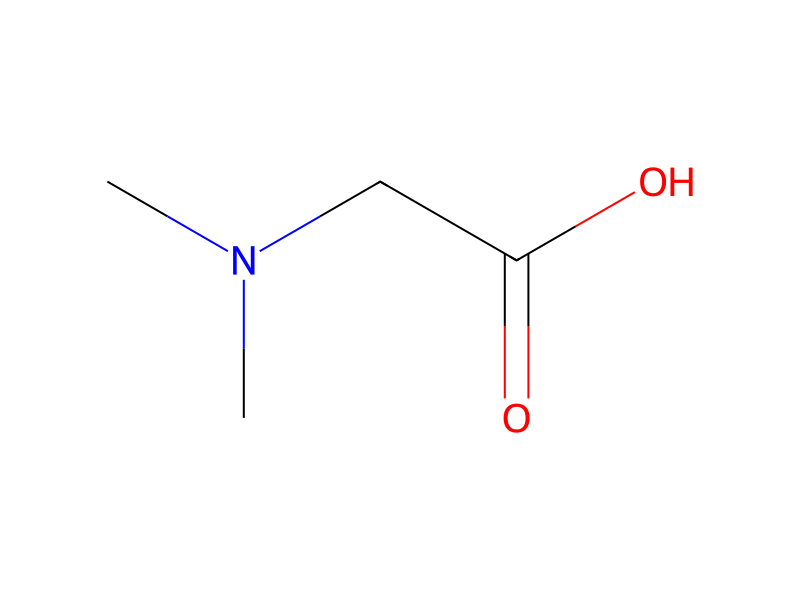
N,N-Dimethylglycine → HCID 57864746, compound
Reaction equation

[CH2:1]([N:8]1[CH2:12][C@@H:11]([C:13]2[CH:18]=[CH:17][CH:16]=[CH:15][C:14]=2Br)[C@H:10]([C:20]2[CH:25]=[C:24]([Cl:26])[CH:23]=[CH:22]C=2O)[CH2:9]1)[C:2]1[CH:7]=[CH:6][CH:5]=[CH:4][CH:3]=1.[C:28](=[O:31])([O-])[O-].[Cs+].[Cs+].CN(C)CC(O)=O>O1CCOCC1.[Cu]I>[Cl:26][C:24]1[CH:23]=[CH:22][C:28]2[O:31][C:18]3[CH:17]=[CH:16][CH:15]=[CH:14][C:13]=3[C@H:11]3[CH2:12][N:8]([CH2:1][C:2]4[CH:3]=[CH:4][CH:5]=[CH:6][CH:7]=4)[CH2:9][C@@H:10]3[C:20]=2[CH:25]=1Participants





Procedure
A mixture of racemic trans-2-(1-benzyl-4-(2-bromophenyl)pyrrolidin-3-yl)-4-chlorophenol (1.8 g, 4.07 mmol), cesium carbonate (2.65 g, 8.13 mmol, 2.0 eq.), N,N-dimethylglycine (165 mg, 1.6 mmol; 0.4 eq.) and CuI (310 mg, 1.6 mmol; 0.4 eq.) in dioxane (20 ml) was heated to reflux temperature while stirring under inert nitrogen atmosphere. After one hour the title product was formed according to mass analysis (M+1=362, 364 found), but the conversion was not yet complete. Heating was continued overnight to give 98% conversion according to LC-MS. The reaction mixture was cooled to room temperature and was then filtered over a glass filter. The residual salts were washed with dioxane (25 ml). The combined filtrates were concentrated under vacuum to give the crude product as a brown oil. Toluene (150 ml) was added and the resulting solution was washed with concentrated aqueous ammonia (25 ml; 25%). The toluene layer was separated and dried with Na2SO4. Concentration under vacuum gave the title compound (1.47 g, 4.06 mmol) in quantitative yield as a brown oil, with ca. 78% purity according to LC-MS analysis. The product was used without further purification. MS: M+1=362, 364 found.
Workup
- temperaturewas heated
- temperatureto reflux temperature
Sources & evidence
- ORD record
- ord-47bdce7037bd4982a4886e8835c98ae4
- Source dataset
- uspto-grants-2011_06
- Patent number
- US07964739B2
Reaction notes
Loading…