Vanillin → Curcumin
Reaction equation

O=[CH:2][C:3]1[CH:11]=[CH:10][C:8]([OH:9])=[C:5]([O:6][CH3:7])[CH:4]=1.[C:12]([CH2:15][C:16](=[O:18])[CH3:17])(=[O:14])[CH3:13]>>[CH3:7][O:6][C:5]1[C:8]([OH:9])=[CH:10][CH:11]=[C:3](/[CH:2]=[CH:13]/[C:12]([CH2:15][C:16](/[CH:17]=[CH:2]/[C:3]2[CH:4]=[C:5]([O:6][CH3:7])[C:8]([OH:9])=[CH:10][CH:11]=2)=[O:18])=[O:14])[CH:4]=1Participants
3
Reactant 2
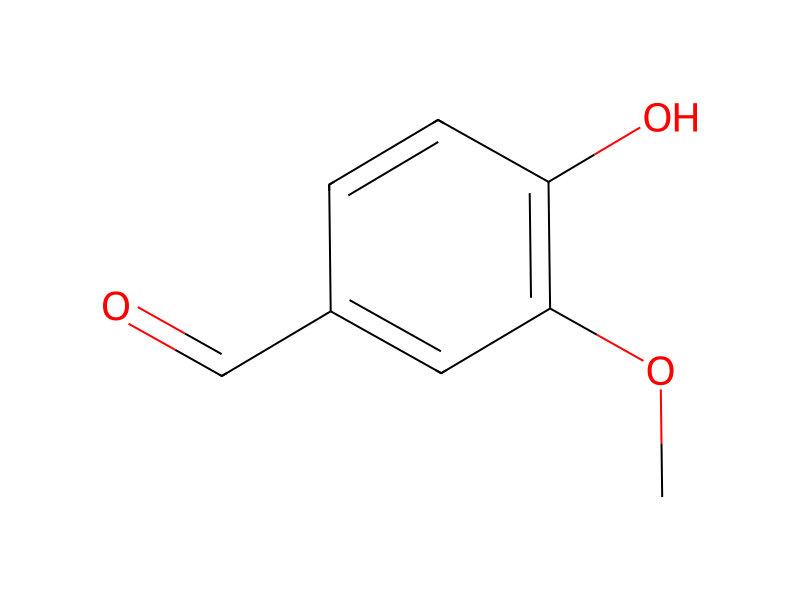

Product 1

Procedure
British patent No. 914 047 (publ. 28.12.62) describes the condensation of vanillin with acetylacetone in the presence of 2 mole equivalents of trialkyl borates and 0.35 molequivalents boric oxide to give curcumin with yields from 16-80% of the theory. Best results (80% yield) at room temperature were obtained in ethyl acetate as solvent with 2 molequivalents tri-isopropyl borate in the presence of 0.35 molequivalent of boric anhydride and 0.1 molequivalent butylamine (Pabon, H. J. J., Recueil 83, 379-386 [1964]). However, the purity of the curcumin is not mentioned.
Sources & evidence
- ORD record
- ord-57c30d6ca9f34acaa4f8e54f037c93c3
- Source dataset
- uspto-grants-2011_06
- Patent number
- US07964755B2
Reaction notes
Loading…