(2H-1,3-benzodioxol-5-yl)boronic acid → HCID 57863157, compound
Reaction equation

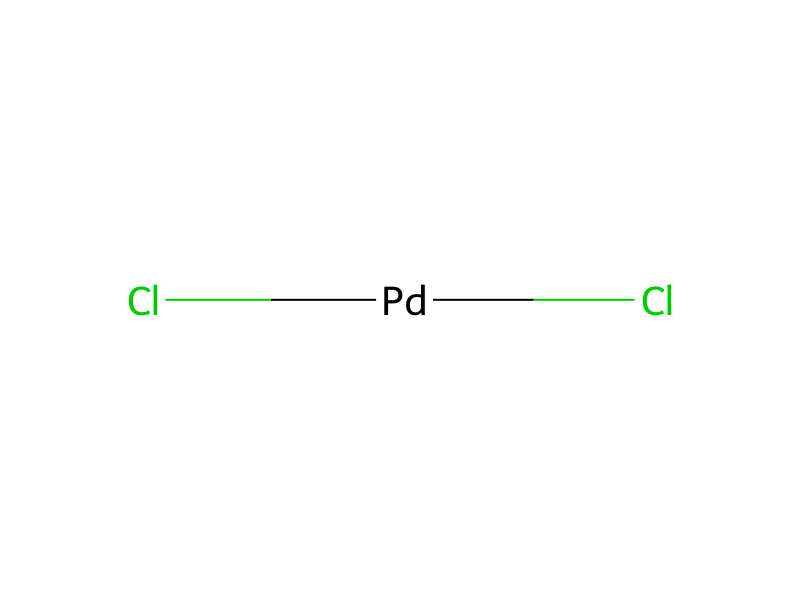
Cl[C:2]1[CH:11]=[CH:10][C:9]2[C:4](=[CH:5][CH:6]=[C:7]([N+:12]([O-:14])=[O:13])[CH:8]=2)[N:3]=1.B(O)(O)[C:16]1[CH:21]=[CH:20][C:19]2[O:22][CH2:23][O:24][C:18]=2[CH:17]=1.O.O.O.O.O.O.O.O.[OH-].[Ba+2].[OH-]>C1COCC1.[Pd](Cl)Cl>[O:22]1[C:19]2[CH:20]=[CH:21][C:16]([C:2]3[CH:11]=[CH:10][C:9]4[C:4](=[CH:5][CH:6]=[C:7]([N+:12]([O-:14])=[O:13])[CH:8]=4)[N:3]=3)=[CH:17][C:18]=2[O:24][CH2:23]1Participants
6



Procedure
2-chloro-6-nitroquinoline (5.2 g, 25 mmol) (prepared according to Byoung S. L. et al. Heterocycles. 1998, 48.12, 65), 3,4-(methylenedioxy)phenylboronic acid (5.0 g, 30 mmol), palladium dichloride bis(triphenilphosphine) (350 mg, 0.5 mmol) and barium hydroxide octahydrate (18.9 g, 60 mmol) in 150 ml of anhydrous THF are stirred at 65° C. for 20 hours. The mixture of reaction is evaporated under vacuum and the residue is chromatographed on silica gel (CH2Cl2) to afford 2.0 g (27%) of the titled product.
Workup
- additionThe mixture of reaction
- customis evaporated under vacuum
- customthe residue is chromatographed on silica gel (CH2Cl2)
Sources & evidence
- ORD record
- ord-459249bb05194f7ea2871188b2f38bfd
- Source dataset
- uspto-grants-2011_06
- Patent number
- US07968558B2
Reaction notes
Loading…