3-(Trifluoromethoxy)benzaldehyde → HCID 89421013, compound
Reaction equation

[F:1][C:2]([F:13])([F:12])[O:3][C:4]1[CH:5]=[C:6]([CH:9]=[CH:10][CH:11]=1)[CH:7]=O.[CH3:14][C:15]([S@@:18]([NH2:20])=[O:19])([CH3:17])[CH3:16]>ClCCl.S([O-])([O-])(=O)=O.[Cu+2]>[F:1][C:2]([F:13])([F:12])[O:3][C:4]1[CH:5]=[C:6](/[CH:7]=[N:20]/[S@:18]([C:15]([CH3:17])([CH3:16])[CH3:14])=[O:19])[CH:9]=[CH:10][CH:11]=1Participants
5
Reactant 2


Product 1

Reagents, catalysts & solvents 2

Procedure
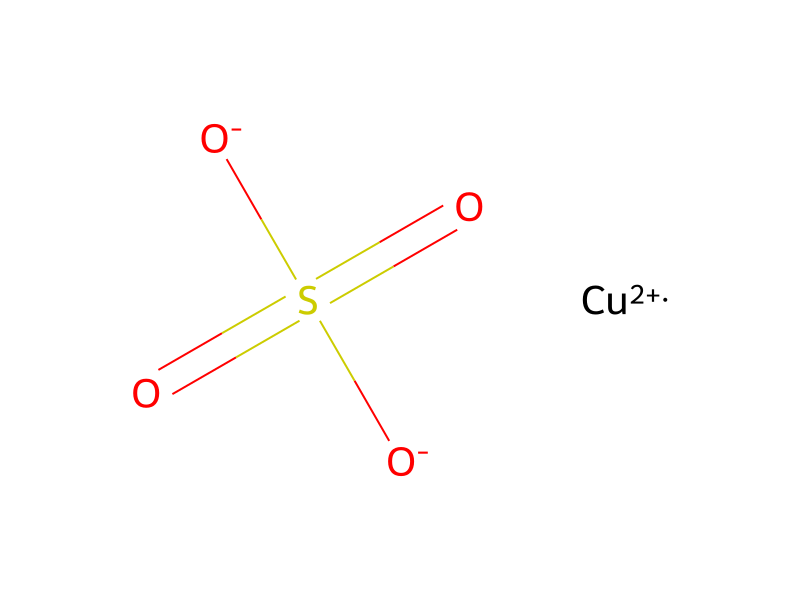
In a 50 ml round-bottomed flask, 3-(trifluoromethoxy)benzaldehyde (400 mg, 2.1 mmol) was dissolved in dichloromethane (12 ml) and (S)-2-methylpropane-2-sulfinamide (281 mg, 2.31 mmol) and anhydrous copper (II) sulfate (739 mg, 4.63 mmol) were added. The reaction mixture was stirred at room temperature overnight then filtered through a glass microfiber filter, rinsing with dichloromethane. The filtrate was concentrated and the residue was chromatographed over silica gel with EtOAc/hexanes (gradient 0-20% EtOAc) to afford 430 mg (70%) of (S)-2-methyl-propane-2-sulfinic acid 1-(3-trifluoromethoxy-phenyl)-meth-(E)-ylideneamide as a light yellow oil.
Workup
- filtrationthen filtered through a glass microfiber
- filtrationfilter
- washrinsing with dichloromethane
- concentrationThe filtrate was concentrated
- customthe residue was chromatographed over silica gel with EtOAc/hexanes (gradient 0-20% EtOAc)
Sources & evidence
- ORD record
- ord-add68201d0a94cd284ed5e6de2bf8b44
- Source dataset
- uspto-grants-2014_02
- Patent number
- US08658646B2
Reaction notes
Loading…