Hydrazine → HCID 178442036, compound
Reaction equation

[CH2:1]([C:6]12[CH2:13][CH2:12][C:9]([C@H:14]3[CH2:19][CH2:18][C@H:17]([C:20](=O)[CH2:21][CH3:22])[CH2:16][CH2:15]3)([CH2:10][CH2:11]1)[CH2:8][CH2:7]2)[CH2:2][CH2:3][CH2:4][CH3:5].C(C12CCC([C@H]3CC[C@H](C#N)CC3)(CC1)CC2)CCCC.C([Mg]Br)C.[OH-].[K+].NN>C(O)COCCOCCO>[CH2:1]([C:6]12[CH2:13][CH2:12][C:9]([C@H:14]3[CH2:19][CH2:18][C@H:17]([CH2:20][CH2:21][CH3:22])[CH2:16][CH2:15]3)([CH2:10][CH2:11]1)[CH2:8][CH2:7]2)[CH2:2][CH2:3][CH2:4][CH3:5]Participants
7




Procedure
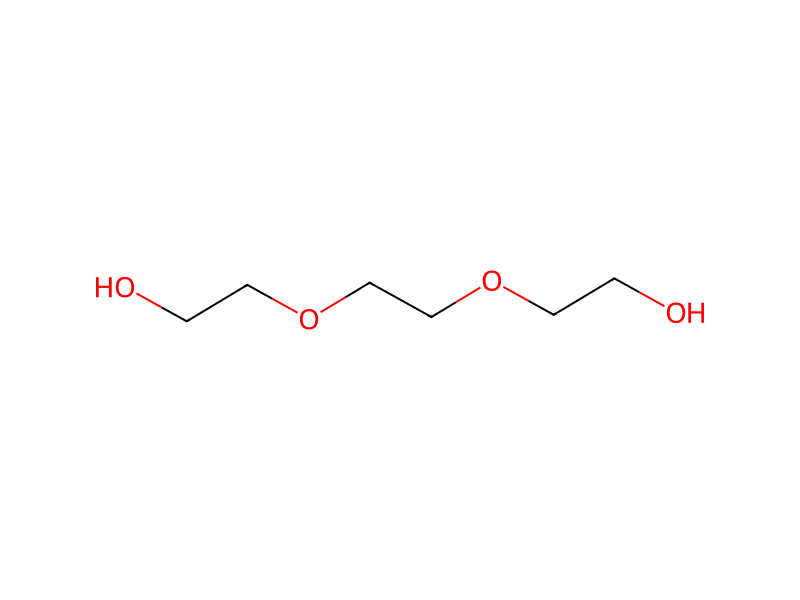
A mixture of 3.2 g of 1-n-pentyl-4-(trans-4-propionylcyclohexyl)-bicyclo[2.2.2]octane [obtainable by reacting 1-n-pentyl-4-(trans-4-cyanocyclohexyl)-bicyclo[2.2.2]octane (German Offenlegungsschrift Pat. No. 3,246,440) with C2H5MgBr and hydrolysing the product], 3 g of KOH, 5 ml of 85% hydrazine and 50 ml of triethylene glycol is heated at 120° C. for 1 hour. The temperature is increased slowly until the resulting hydrazone is decomposed, and the mixture is boiled for a further 4 hours, cooled and worked up in the customary manner to give 1-n-pentyl-4-(trans-4-n-propylcyclohexyl)-bicyclo[2.2.2]octane.
Workup
- temperaturecooled
Sources & evidence
- ORD record
- ord-8a7dc2be881f4896932102ba9cf17d3c
- Source dataset
- uspto-grants-1987_11
- Patent number
- US04707295
Reaction notes
Loading…