Dimethylamine → Hydrochloric Acid
Reaction equation

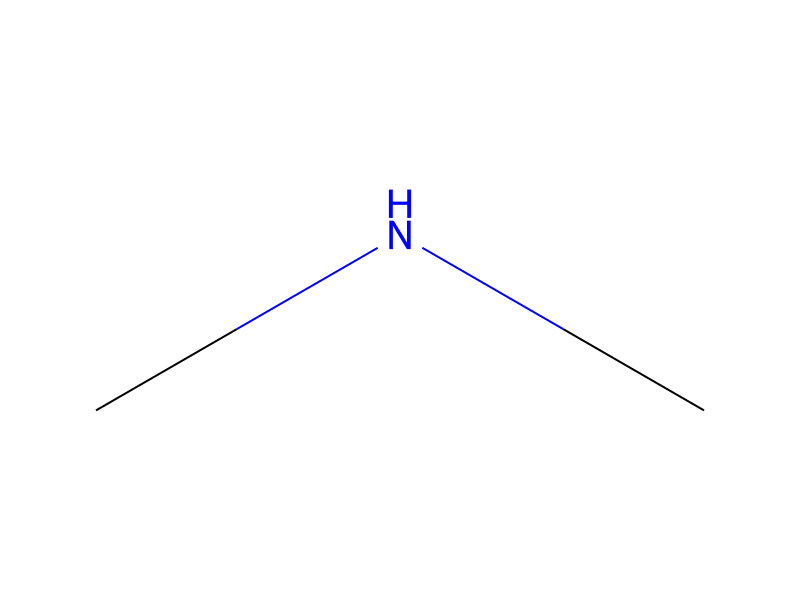
C([N:4]1[CH2:10][CH:9]([C:11]2[CH:16]=[CH:15][CH:14]=[CH:13][CH:12]=2)[C:8]2[CH:17]=[C:18]([S:23]([Cl:26])(=[O:25])=[O:24])[C:19]([O:21][CH3:22])=[CH:20][C:7]=2[CH2:6][CH2:5]1)(=O)C.[CH3:27][NH:28][CH3:29]>>[ClH:26].[ClH:26].[CH3:22][O:21][C:19]1[C:18]([S:23](=[O:25])(=[O:24])[N:28]([CH3:29])[CH3:27])=[CH:17][C:8]2[CH:9]([C:11]3[CH:12]=[CH:13][CH:14]=[CH:15][CH:16]=3)[CH2:10][NH:4][CH2:5][CH2:6][C:7]=2[CH:20]=1Participants
4



Procedure
Reacting 3-acetyl-8-chlorosulfonyl-7-methoxy-1-phenyl-2,3,4,5-tetrahydro-1H-3-benzazepine with dimethylamine and then with refluxing hydrochloric acid gives 7-methoxy-8-(N,N-dimethylsulfamoyl)-1-phenyl-2,3,4,5-tetrahydro-1H-3-benzazepine hydrochloride. Treating this methoxy compound with refluxing hydrobromic acid gives 7-hydroxy-8-(N,N-dimethylsulfamoyl)-1-phenyl-2,3,4,5-tetrahydro-1H-3-benzazepine hydrobromide.
Sources & evidence
- ORD record
- ord-450b308107c14353ab39cfa7c4b37855
- Source dataset
- uspto-grants-1987_11
- Patent number
- US04707483
Reaction notes
Loading…