Acetic Anhydride → Ethyl 2-(2-chloro-4,5-difluorobenzoyl)-3-ethoxyacrylate
Reaction equation

[CH2:1]([O:3][C:4](=[O:17])[C:5](=O)[CH2:6][C:7]1[CH:12]=[C:11]([F:13])[C:10]([F:14])=[CH:9][C:8]=1[Cl:15])[CH3:2].[CH2:18]([O:20][CH:21](OCC)OCC)[CH3:19].C(OC(=O)C)(=[O:30])C>>[CH2:1]([O:3][C:4](=[O:17])[C:5]([C:6](=[O:30])[C:7]1[CH:12]=[C:11]([F:13])[C:10]([F:14])=[CH:9][C:8]=1[Cl:15])=[CH:21][O:20][CH2:18][CH3:19])[CH3:2]Participants
4



Procedure
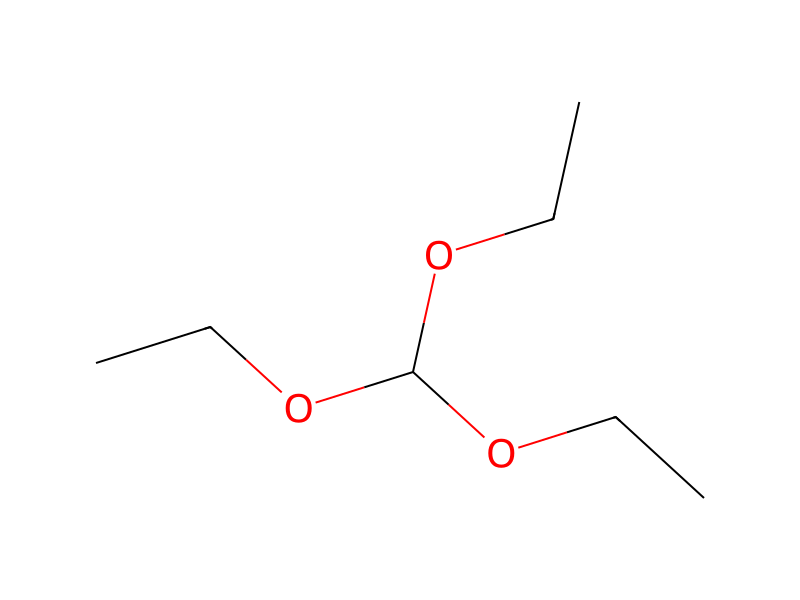
2-Chloro-4,5-difluoro-α-oxo-benzenepropanoic acid ethyl ester (20 g, 76 mmol), triethylorthoformate (17.0 g, 115 mmol) and acetic anhydride (19.5 g, 191 mmol) were combined and heated to reflux for 3 hours. Excess solvent was removed in vacuo to provide the crude title product, which was used without purification.
Workup
- temperatureheated
- temperatureto reflux for 3 hours
- customExcess solvent was removed in vacuo
Sources & evidence
- ORD record
- ord-6a1227d77b4c4ea1b9035e0775679ef6
- Source dataset
- uspto-grants-1993_05
- Patent number
- US05214051
Reaction notes
Loading…