Pyridine → HCID 12512124, compound
Reaction equation

N1[C:9]2[C:4](=[CH:5][CH:6]=[CH:7][CH:8]=2)[C:3]([CH:10]([C:21]2[CH:26]=[CH:25][CH:24]=[CH:23][CH:22]=2)[CH:11]2[C:16](=[O:17])OC(C)(C)OC2=O)=C1.[CH3:27][NH2:28].[N:29]1C=CC=C[CH:30]=1>>[NH:28]1[C:5]2[C:4](=[CH:9][CH:8]=[CH:7][CH:6]=2)[C:3]([CH:10]([C:21]2[CH:22]=[CH:23][CH:24]=[CH:25][CH:26]=2)[CH2:11][C:16]([NH:29][CH3:30])=[O:17])=[CH:27]1Participants
4



Procedure
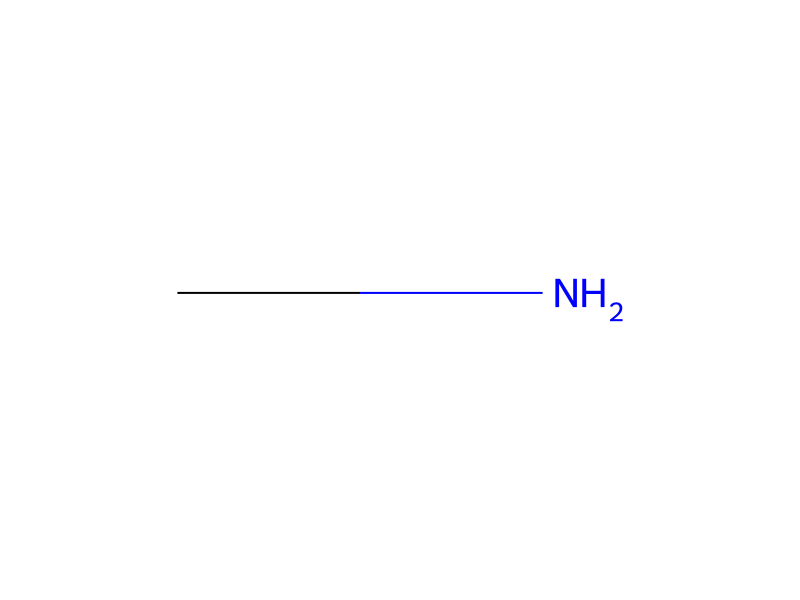
5-[(1H-Indol-3-yl)-phenyl-methyl]-2,2-dimethyl-[1,3]dioxane-4,6-dione (0.500 g) was dissolved in dry pyridine (5 ml) in a sealable test tube. To this solution was added methyl amine (2.0 ml, 2M in THF) and the tube was sealed and immersed in an oil bath which had been preheated to 120° C. The tube was heated at this temperature for 2 hours, after which time it was cooled and diluted with ice water. The product was extracted into ethyl acetate, washed with dilute HCl, dried (MgSO4) and evaporated to dryness to afford 0.338 g of 3-(1H-indol-3-yl)-N-methyl-3-phenyl-propionamide, (85%, MS (M+H)=279), which was used in the following step without further purification.
Workup
- customthe tube was sealed
- customimmersed in an oil bath
- customhad been preheated to 120° C
- temperatureThe tube was heated at this temperature for 2 hours
- temperatureafter which time it was cooled
- extractionThe product was extracted into ethyl acetate
- washwashed with dilute HCl
- dry with materialdried (MgSO4)
- customevaporated to dryness
Sources & evidence
- ORD record
- ord-7f0d86f0ea5541c69116b72b85d567f0
- Source dataset
- uspto-grants-2011_01
- Patent number
- US07863305B2
Reaction notes
Loading…