Phosphorus oxybromide → 1-Bromo-4-hydroxy-7-phenylsulfanyl-isoquinoline-3-carboxylic acid
Reaction equation

C([O:5][C:6]([C:8]1[N:9]=[C:10](O)[C:11]2[C:16]([C:17]=1[OH:18])=[CH:15][CH:14]=[C:13]([S:19][C:20]1[CH:25]=[CH:24][CH:23]=[CH:22][CH:21]=1)[CH:12]=2)=[O:7])CCC.C(OC(C1N=CC2C(C=1O)=CC=C(OC1C=CC(OC)=CC=1)C=2)=O)CCC.P(Br)(Br)([Br:56])=O>C(#N)C>[Br:56][C:10]1[C:11]2[C:16](=[CH:15][CH:14]=[C:13]([S:19][C:20]3[CH:25]=[CH:24][CH:23]=[CH:22][CH:21]=3)[CH:12]=2)[C:17]([OH:18])=[C:8]([C:6]([OH:5])=[O:7])[N:9]=1Participants
5
Reactant 3
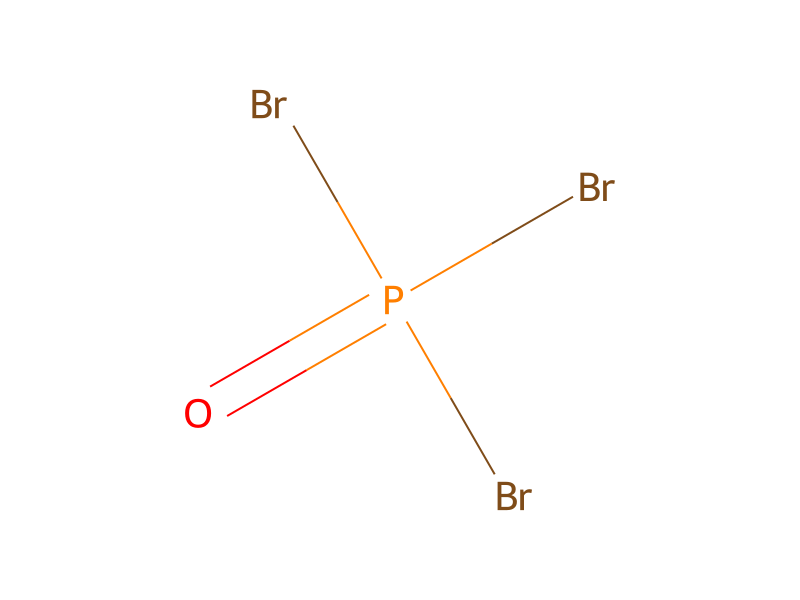


Product 1

Reagents, catalysts & solvents 1

Procedure
1,4-Dihydroxy-7-phenylsulfanyl-isoquinoline-3-carboxylic acid butyl ester (Example D-1 d) Compound A) (29.0 g) and phosphorous oxybromide (67.5 g) in 600 ml anhydrous acetonitrile was stirred at reflux for 4 hours. After cooling the reaction mixture was concentrated and saturated sodium bicarbonate solution and ethyl acetate were added to the residue and stirred overnight. Precipitate that formed between layers was collected and washed with water to give the title compound (10.2 g). MS-(+)-ion M+1=376.0, 378.1.
Workup
- temperatureat reflux for 4 hours
- temperatureAfter cooling the reaction mixture
- concentrationwas concentrated
- additionsaturated sodium bicarbonate solution and ethyl acetate were added to the residue
- customPrecipitate that formed between layers
- customwas collected
- washwashed with water
Sources & evidence
- ORD record
- ord-b6b10c408cad452990f014bddef9263a
- Source dataset
- uspto-grants-2011_01
- Patent number
- US07863292B2
Reaction notes
Loading…