Ethylene Glycol → HCID 11230193, compound
Reaction equation

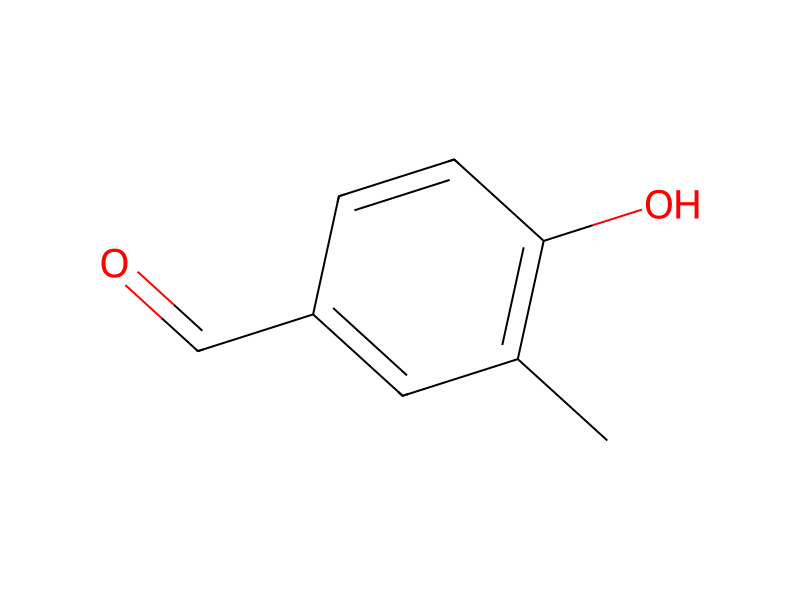
[CH3:1][C:2]1[CH:3]=[C:4]([CH:7]=[CH:8][C:9]=1[OH:10])[CH:5]=[O:6].[CH2:11]([OH:14])[CH2:12][OH:13].C1(C)C=CC(S(O)(=O)=[O:22])=CC=1.[C:26]1([CH3:32])C=CC=CC=1>>[OH:22][CH2:26][CH2:32][O:6][C:5]1([C:4]2[CH:7]=[CH:8][C:9]([OH:10])=[C:2]([CH3:1])[CH:3]=2)[O:14][CH2:11][CH2:12][O:13]1Participants
5




Procedure
A mixture of 3-methyl-p-hydroxybenzaldehyde (0.5 g, 3.6 mmol), ethylene glycol (0.34 g, 5.5 mmol) and p-toluenesulfonic acid (0.07 g, 0.36 mmol) in toluene was heated under reflux. After 24 h, the reaction mixture was cooled to room temperature, TLC showed no starting material. The toluene was removed in vacuo and saturated solution of sodium hydrogen carbonate (20 ml) was added to the residue, which was then extracted with ethyl acetate (3×20 ml). The organic layer was washed with water (20 ml), dried over anhydrous sodium sulfate and the solvent was removed in vacuo. The residue was then recrystallised from an ethyl acetate and hexane mixture to give the product as a brown solid in 24% yield.
Workup
- temperaturewas heated
- temperatureunder reflux
- customThe toluene was removed in vacuo and saturated solution of sodium hydrogen carbonate (20 ml)
- additionwas added to the residue, which
- extractionwas then extracted with ethyl acetate (3×20 ml)
- washThe organic layer was washed with water (20 ml)
- dry with materialdried over anhydrous sodium sulfate
- customthe solvent was removed in vacuo
- customThe residue was then recrystallised from an ethyl acetate and hexane mixture
Sources & evidence
- ORD record
- ord-05c89c39429243fa98b98b479d573de5
- Source dataset
- uspto-grants-2011_01
- Patent number
- US07863313B2
Reaction notes
Loading…