2,6-Lutidine → (2E)-N-(2,3-difluorophenyl)-3-phenylacrylamide
Reaction equation

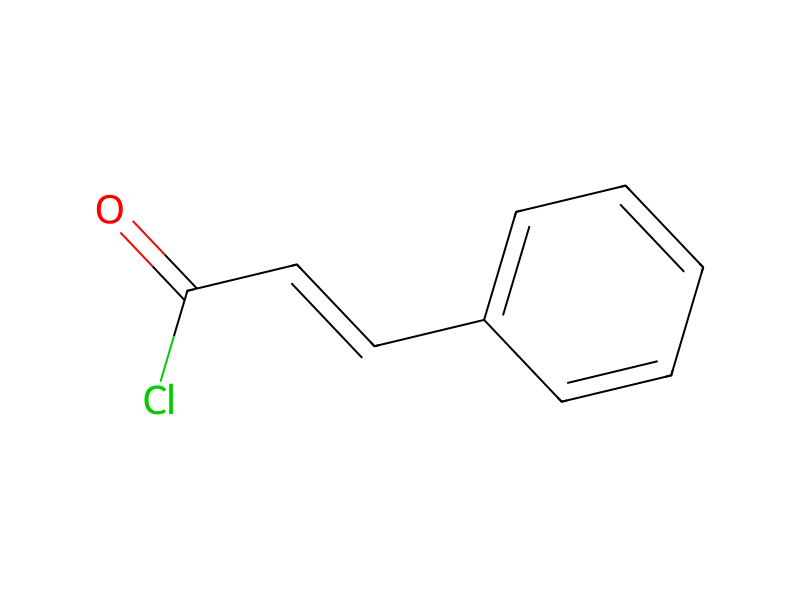
[F:1][C:2]1[C:8]([F:9])=[CH:7][CH:6]=[CH:5][C:3]=1[NH2:4].[C:10](Cl)(=[O:19])[CH:11]=[CH:12][C:13]1[CH:18]=[CH:17][CH:16]=[CH:15][CH:14]=1.N1C(C)=CC=CC=1C.BrC1C=C(NC(=O)/C=C/C2C=CC=CC=2)C=CC=1>>[F:1][C:2]1[C:8]([F:9])=[CH:7][CH:6]=[CH:5][C:3]=1[NH:4][C:10](=[O:19])/[CH:11]=[CH:12]/[C:13]1[CH:18]=[CH:17][CH:16]=[CH:15][CH:14]=1Participants
5



Procedure
The compound was prepared from 2,3-difluoroaniline (5 g, 38.7 mmol) and cinnamoylchloride (6.45 g, 38.7 mmol) in the presence of 2,6-lutidine (6.8 mL, 58 mmol) as described for Intermediate 18 to give a colorless solid, 7.4 g (74%).
Workup
- customto give a colorless solid, 7.4 g (74%)
Sources & evidence
- ORD record
- ord-d4aceeb9203a4e47bde39db791eb8dd6
- Source dataset
- uspto-grants-2011_01
- Patent number
- US07875715B2
Reaction notes
Loading…