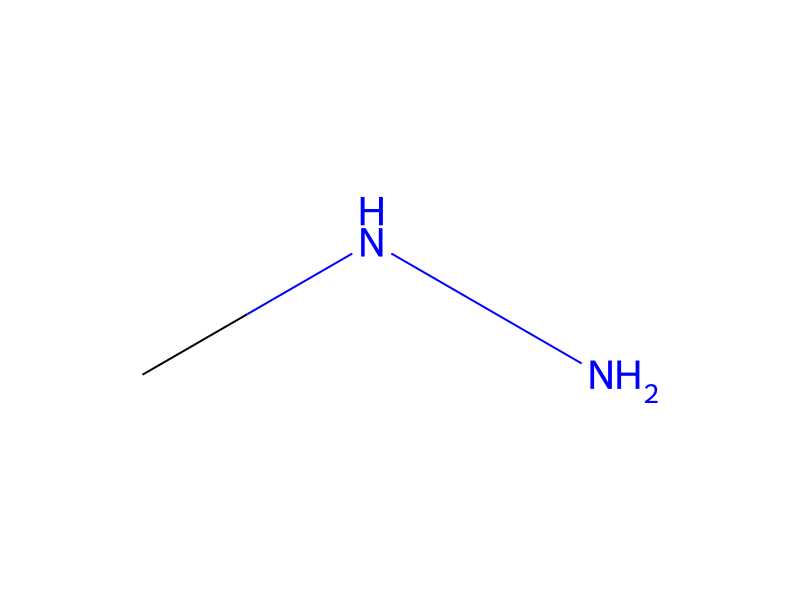
Methylhydrazine → t-Butyl alpha-[6-amino-2-(2-naphthyl)-5-oxoperhydro-1,4-thiazepin-4-yl]acetate
Reaction equation

[CH:1]1[C:10]2[C:5](=[CH:6][CH:7]=[CH:8][CH:9]=2)[CH:4]=[CH:3][C:2]=1[CH:11]1[CH2:17][N:16]([CH2:18][C:19]([O:21][C:22]([CH3:25])([CH3:24])[CH3:23])=[O:20])[C:15](=[O:26])[CH:14]([N:27]2C(=O)C3=CC=CC=C3C2=O)[CH2:13][S:12]1.CNN>>[NH2:27][CH:14]1[CH2:13][S:12][CH:11]([C:2]2[CH:3]=[CH:4][C:5]3[C:10](=[CH:9][CH:8]=[CH:7][CH:6]=3)[CH:1]=2)[CH2:17][N:16]([CH2:18][C:19]([O:21][C:22]([CH3:24])([CH3:23])[CH3:25])=[O:20])[C:15]1=[O:26]Participants
3


Procedure
3.25 g of t-butyl α-[2-(2-naphthyl)-5-oxo-6-phthalimidoperhydro-1,4-thiazepin-4-yl]acetate [prepared as described in step (f) above] were subjected to dephthaloylization with methylhydrazine in the same manner as described in Example 36(g), to give 2.6 g of the title compound as an amorphous powder.
Sources & evidence
- ORD record
- ord-e2c728d1020f46c6909c1bfb0c6d4d95
- Source dataset
- uspto-grants-1987_10
- Patent number
- US04699905
Reaction notes
Loading…