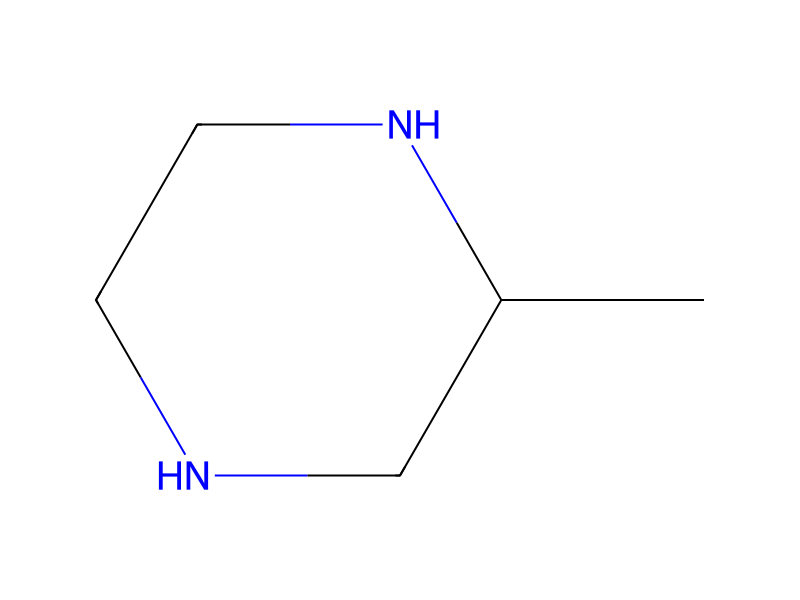
2-Methylpiperazine → HCID 483109, compound
Reaction equation

[Cl:1][C:2]1[CH:3]=[C:4]2[C:9](=[C:10]([Cl:13])[C:11]=1F)[N:8]([CH:14]1[CH2:16][CH2:15]1)[CH:7]=[C:6]([C:17]([OH:19])=[O:18])[C:5]2=[O:20].[CH3:21][CH:22]1[CH2:27][NH:26][CH2:25][CH2:24][NH:23]1>>[Cl:1][C:2]1[CH:3]=[C:4]2[C:9](=[C:10]([Cl:13])[C:11]=1[N:26]1[CH2:25][CH2:24][NH:23][CH:22]([CH3:21])[CH2:27]1)[N:8]([CH:14]1[CH2:16][CH2:15]1)[CH:7]=[C:6]([C:17]([OH:19])=[O:18])[C:5]2=[O:20]Participants
3


Procedure
The product from Example C is reacted with 2-methyl-piperazine analogously to Example B1 to give 6,8-dichloro-1cyclopropyl-1,4-dihydro-7-(3-methyl-1-piperazinyl)-4-oxo-3-quinolinecarboxylic acid of melting point 288°-291° C. (with decomposition).
Sources & evidence
- ORD record
- ord-57afbc30eaeb4086b7bccd4bd17c05fa
- Source dataset
- uspto-grants-1987_10
- Patent number
- US04703047
Reaction notes
Loading…