Hexane → HCID 53716405, compound
Reaction equation

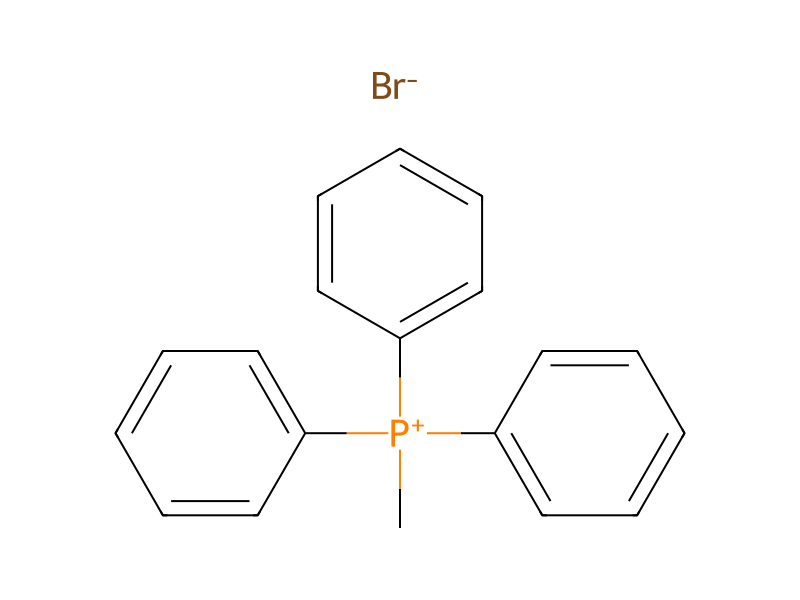
[CH2:1]([Li])CCC.CCCCCC.C=[PH3].[CH:14]([O:20][C:21]1[CH:28]=[CH:27][C:24]([CH:25]=O)=[CH:23][CH:22]=1)=[CH:15][CH2:16][CH2:17][CH2:18][CH3:19]>[Br-].C[P+](C1C=CC=CC=1)(C1C=CC=CC=1)C1C=CC=CC=1.C(OCC)C>[CH:14]([O:20][C:21]1[CH:28]=[CH:27][C:24]([CH:25]=[CH2:1])=[CH:23][CH:22]=1)=[CH:15][CH2:16][CH2:17][CH2:18][CH3:19]Participants






Procedure
To a 200 ml three-necked flask in a nitrogen atmosphere, anhydrous diethyl ether (150 ml), methyltriphenylphosphonium bromide (7.5 g, 21 mmol) and a 1.6N solution of n-butyllithium in hexane (13.1 ml, 21 mmol of n-butyllithium) were charged and stirred at room temperature for 5 hours to prepare methylenephosphorane. To the reaction mixture, a solution of 4-(1-hexenyloxy)benzaldehyde (4.08 g, 20 mmol) in anhydrous diethyl ether (20 ml) was dropwise added over 3 minutes. After heating the reaction mixture under reflux for one hour and removing solids by filtration, hexane (150 ml) was added to a filtrate, and an organic phase was washed with water (150 ml×3), followed by evaporating volatile components off to obtain 4-(1-hexenyloxy)styrene (3.0 g) of the formula: ##STR5##
Workup
- temperatureAfter heating the reaction mixture
- temperatureunder reflux for one hour
- customremoving solids
- filtrationby filtration, hexane (150 ml)
- additionwas added to a filtrate
- washan organic phase was washed with water (150 ml×3)
- customby evaporating volatile components off
Sources & evidence
- ORD record
- ord-ddbe66ec0e03432a96d4095435c25e97
- Source dataset
- uspto-grants-1993_11
- Patent number
- US05262502
Reaction notes
Loading…