Pyrrole → Tetraphenylporphyrin
Reaction equation
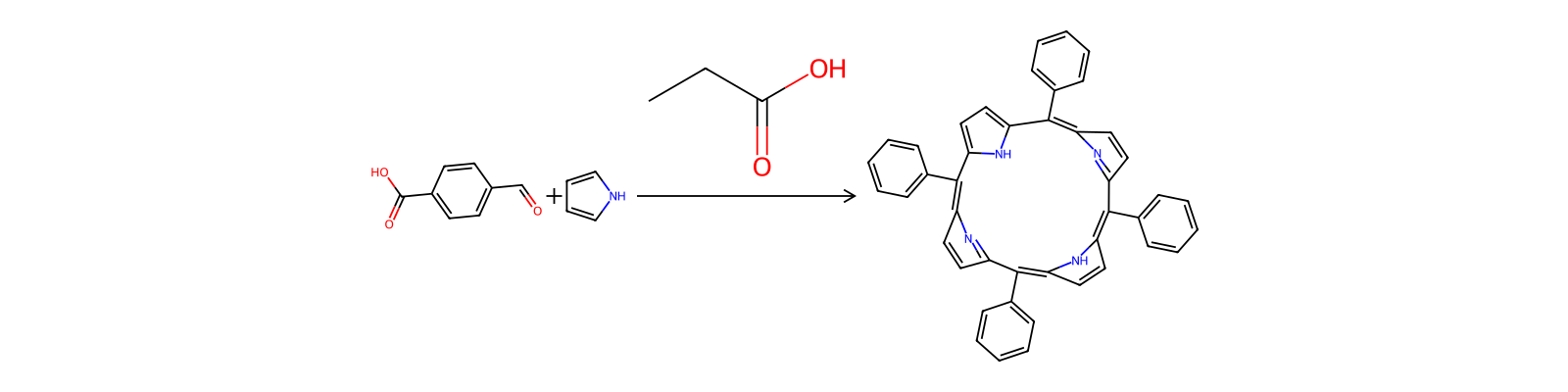
C([C:4]1[CH:11]=[CH:10][C:7]([CH:8]=O)=[CH:6][CH:5]=1)(O)=O.[NH:12]1[CH:16]=[CH:15][CH:14]=[CH:13]1>C(O)(=O)CC>[C:7]1([C:8]2[C:16]3[NH:12][C:13]([C:8]([C:7]4[CH:6]=[CH:5][CH:4]=[CH:11][CH:10]=4)=[C:13]4[N:12]=[C:16]([C:8]([C:7]5[CH:10]=[CH:11][CH:4]=[CH:5][CH:6]=5)=[C:16]5[NH:12][C:13](=[C:8]([C:7]6[CH:6]=[CH:5][CH:4]=[CH:11][CH:10]=6)[C:13]6[CH:14]=[CH:15][C:16]=2[N:12]=6)[CH:14]=[CH:15]5)[CH:15]=[CH:14]4)=[CH:14][CH:15]=3)[CH:10]=[CH:11][CH:4]=[CH:5][CH:6]=1Participants
4
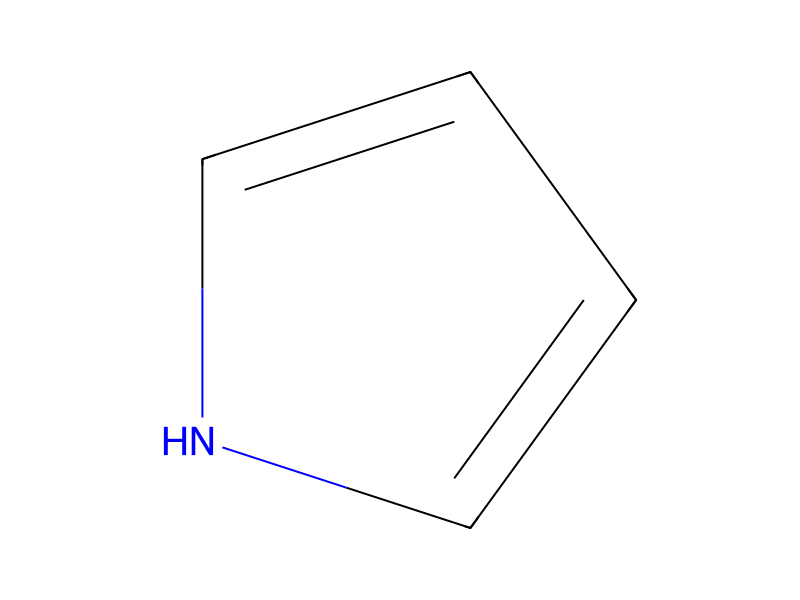
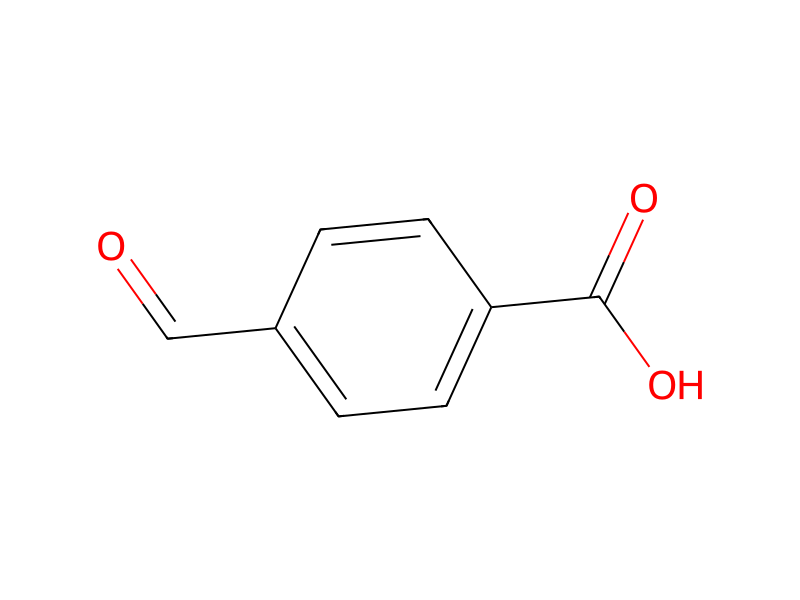

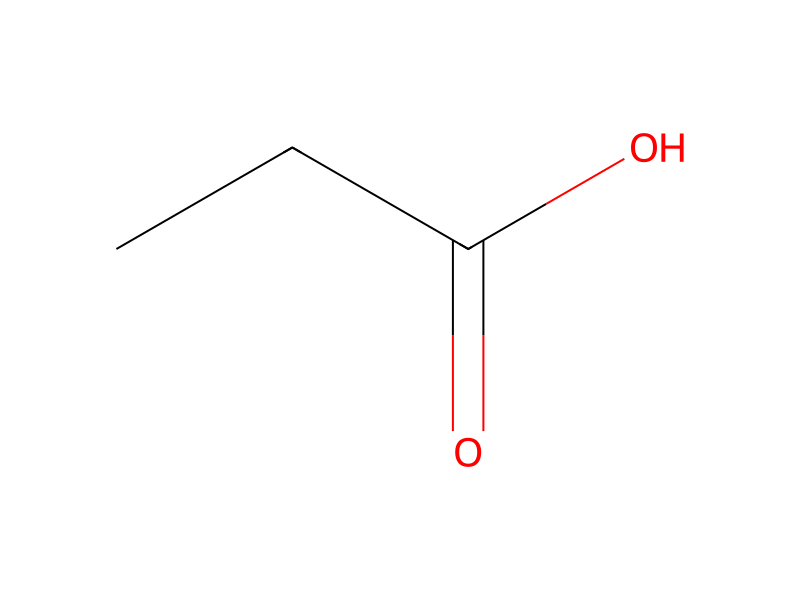
Reagents, catalysts & solvents 1
Procedure
The acid derivative of 5,10,15,20-tetrakis(phenyl)porphyrin was prepared according to the procedure of Longo, et al. J. Heterocyclic Chem., 6, 927 (1969). 1.50 g 4-Carboxy-benzaldehyde (0.01 mole) and 0.69 mL pyrrole (0.01 mole) were combined in 150 mL propionic acid. The mixture was refluxed for 2 to 4 hours, cooled to room temperature, and then filtered through a fine frit. The resulting solid was then extracted into methanol and filtered through a medium frit. The filtrate was placed in a round-bottom flask, and the methanol removed on a rotary evaporator, leaving a solid purple residue. The recovered solid was then dried overnight under vacuum.
Workup
- temperatureThe mixture was refluxed for 2 to 4 hours
- filtrationfiltered through a fine frit
- extractionThe resulting solid was then extracted into methanol
- filtrationfiltered through a medium frit
- customThe filtrate was placed in a round-bottom flask
- customthe methanol removed on a rotary evaporator
- customleaving a solid purple residue
- customThe recovered solid was then dried overnight under vacuum
Sources & evidence
- ORD record
- ord-364fff4d0f544b0f842378a96cec08ae
- Source dataset
- uspto-grants-1993_11
- Patent number
- US05262532
Reaction notes
Loading…