Formaldehyde → HCID 67657566, compound
Reaction equation

[Cl:1][C@H:2]1[C:23](=[O:24])[N:4]2[C:5]([C:16]([O:18][C:19]([CH3:22])([CH3:21])[CH3:20])=[O:17])=[C:6]([CH2:11][O:12][C:13](=[O:15])[CH3:14])[CH2:7][S:8](=[O:10])(=[O:9])[C@H:3]12.[CH2:25](Cl)Cl.Cl.CNC.C=O>C(O)(C)(C)C>[Cl:1][C@H:2]1[C:23](=[O:24])[N:4]2[C:5]([C:16]([O:18][C:19]([CH3:20])([CH3:22])[CH3:21])=[O:17])=[C:6]([CH2:11][O:12][C:13](=[O:15])[CH3:14])[C:7](=[CH2:25])[S:8](=[O:9])(=[O:10])[C@H:3]12Participants
6
Reactant 4


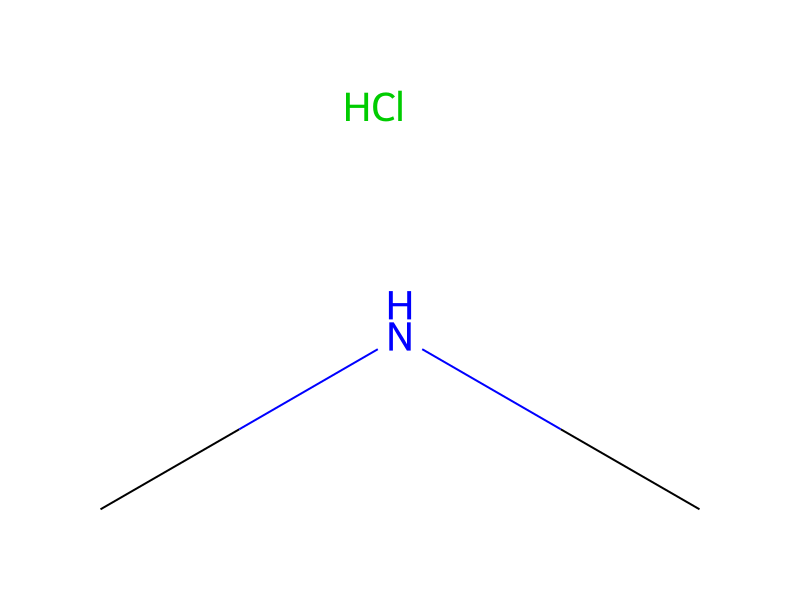

Product 1

Reagents, catalysts & solvents 1

Conditions
- Temperature
- 90 °C
Procedure
A mixture of t-butyl 7α-chloro-3-acetoxymethyl-3-cephem-4-carboxylate-1,1-dioxide (1.9 g), methylene chloride (3 ml), dimethylamine hydrochloride (0.817 g), t-butanol (80 ml) and formaldehyde solution (I.10 ml, 37% w/v in water) was heated to reflux at 90° C. for 3 hours. Solvent was removed under reduced pressure and the residue was dissolved in methylene chloride, washed with water, brine, dried and concentrated to give 1.6 g (81.6%) of t-butyl 7α-chloro-2-methylene-3-acetoxymethyl-3-cephem-4-carboxylate-1,1-dioxide, m.p. 148°-149° C. This product without further purification was used in the next step.
Workup
- temperaturewas heated
- customSolvent was removed under reduced pressure
- dissolutionthe residue was dissolved in methylene chloride
- washwashed with water, brine
- customdried
- concentrationconcentrated
Sources & evidence
- ORD record
- ord-6d88c87393c74a90a97ba49a5fa29a96
- Source dataset
- uspto-grants-1993_11
- Patent number
- US05264430
Reaction notes
Loading…