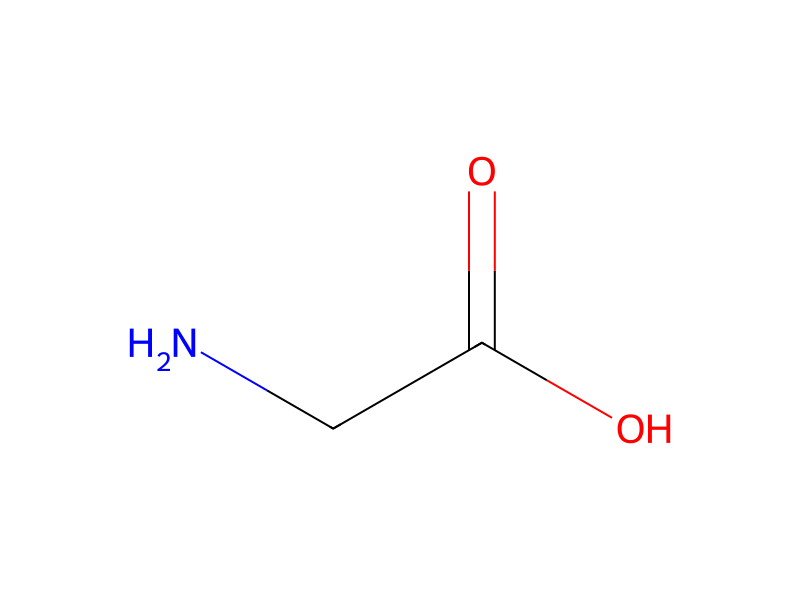
Glycine → HCID 19781177, compound
Reaction equation

[NH2:1][CH2:2][C:3]([OH:5])=[O:4].[OH-].[Na+].[Cl:8][CH2:9][C:10]([CH3:15])([CH3:14])[C:11](Cl)=[O:12].S(=O)(=O)(O)O.[Cl-].[Na+]>CCOCC>[Cl:8][CH2:9][C:10]([CH3:15])([CH3:14])[C:11]([NH:1][CH2:2][C:3]([OH:5])=[O:4])=[O:12]Participants
7






Procedure
By the method of M. Shimazaki, et al., Chem. Pharm. Bull., 30(9), 3139-3146 (1982), 2.27 g glycine in a solution of 31 mL of 2 M sodium hydroxide was stirred with commercially available chloropivaloyl chloride (4.65 g) in 5 mL ether. After one hour at 0° C., the reaction mixture was warmed to ambient temperature, acidified (pH 2) with sulfuric acid and saturated with sodium chloride. After extraction with 3×30 mL ethyl acetate, the extracts were dried (MgSO4) and evaporated in vacuo to give 3.0 g of the title compound as a white solid. This material was used as obtained in the following transformation.
Workup
- extractionAfter extraction with 3×30 mL ethyl acetate
- dry with materialthe extracts were dried (MgSO4)
- customevaporated in vacuo
Sources & evidence
- ORD record
- ord-0a49a1f11a4640b3a0675d750b226c23
- Source dataset
- uspto-grants-1993_11
- Patent number
- US05266713
Reaction notes
Loading…