Dichloromethane → HCID 70617081, compound
Reaction equation

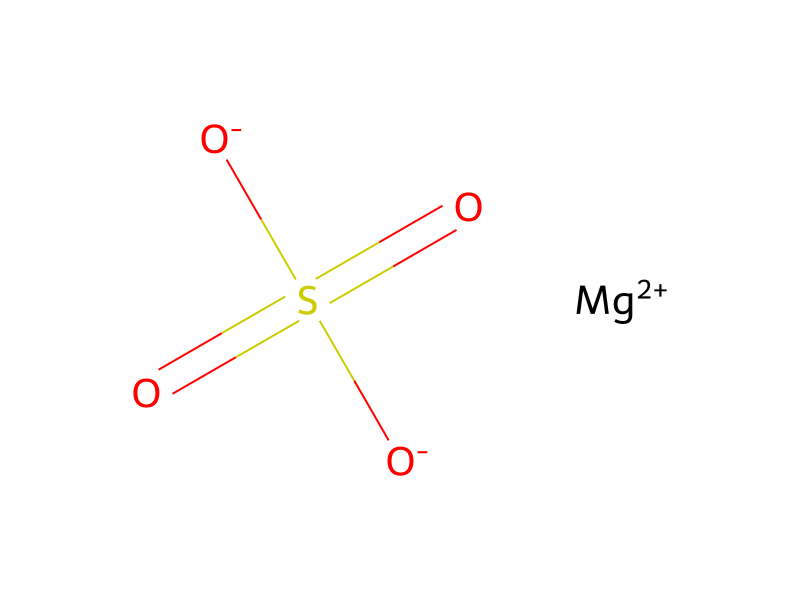
Cl[CH2:2]Cl.[CH3:4][C:5]([O:7][CH2:8][C:9]1[CH2:28][S:27][C@@H:12]2[C@H:13]([NH:16][C:17]([C@H:19]([NH2:26])[C:20]3[CH:25]=[CH:24][CH:23]=[CH:22][CH:21]=3)=[O:18])[C:14](=[O:15])[N:11]2[C:10]=1[C:29]([OH:31])=[O:30])=[O:6].O.S([O-])([O-])(=O)=O.[Mg+2]>C(N(CC)CC)C>[CH3:4][C:5]([O:7][CH2:8][C:9]1[CH2:28][S:27][C@@H:12]2[C@H:13]([NH:16][C:17]([C@H:19]([NH2:26])[C:20]3[CH:25]=[CH:24][CH:23]=[CH:22][CH:21]=3)=[O:18])[C:14](=[O:15])[N:11]2[C:10]=1[C:29]([OH:31])=[O:30])=[O:6].[CH2:14]([N:11]([CH2:10][CH3:29])[CH2:12][CH3:2])[CH3:13]Participants
5
Reactant 3


Product 1

Reagents, catalysts & solvents 1

Procedure
In 100 ml. of dichloromethane was suspended 4.25 g. of cephaloglycin monohydrate and then 2.8 ml. of triethylamine was dissolved therein. Furthermore, 5 g. of anhydrous magnesium sulphate was added to the system and after stirring the mixture for about 10 minutes at room temperature, the mixture was filtered to provide a solution of cephaloglycin triethylamine salt. The solution was cooled to -20° C. and the suspension of 4-hydroxynicotinoyl chloride prepared above was added dropwise to the solution with stirring. Thereafter, the cooling bath was removed to raise the temperature up to room temperature and the mixture was stirred for about one hour at room temperature.
Workup
- filtrationthe mixture was filtered
Sources & evidence
- ORD record
- ord-be03905c4dff4dd1a25cf4a2635f5bf0
- Source dataset
- uspto-grants-1977_07
- Patent number
- US04036834
Reaction notes
Loading…