Carbon Dioxide → 3-Hydroxy-2-naphthoic acid
Reaction equation

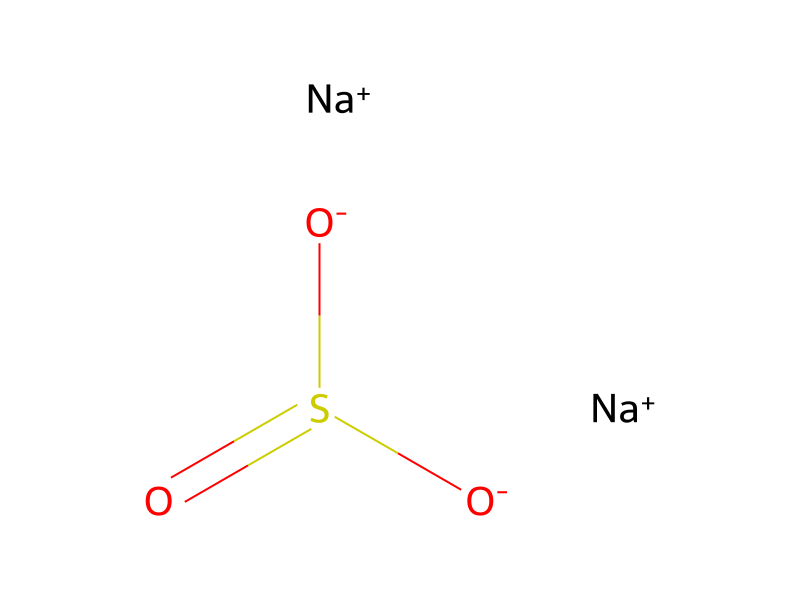
[CH:1]1[C:10]2[C:5](=[CH:6][CH:7]=[CH:8][CH:9]=2)[CH:4]=[CH:3][C:2]=1[O-:11].[Na+].S([O-])([O-])=O.[Na+].[Na+].[C:19](=[O:21])=[O:20]>CC1(C2C=CC=CC=2)C2C(=CC=CC=2)CC1>[OH:11][C:2]1[C:3]([C:19]([OH:21])=[O:20])=[CH:4][C:5]2[C:10](=[CH:9][CH:8]=[CH:7][CH:6]=2)[CH:1]=1Participants
Reactant 3


Product 1

Reagents, catalysts & solvents 1

Procedure
204 parts of technical sodium β-naphtholate melt containing 100 parts of sodium-β -naphtholate and 100 parts of sodium sulfite is stirred at 250° to 260° C. with 150 parts of methylphenylindan for fifteen minutes. The undissolved sodium sulfite is allowed to settle and the hot solution of sodium β-naphtholate in methylphenylindan at 260° C. is pumped into a stirred autoclave which has been preheated to 255° C. The autoclave is closed and at an internal temperature of 255° C. dry carbon dioxide is pressed in up to a pressure of 5 atmospheres. Carboxylation and processing are carried out analogously to Example 1. 34 parts of 2-hydroxynaphthalene-3-carboxylic acid having a melting point of 212° to 215° C. is obtained (60% of theory based on β-naphthol used up).
Workup
- customat 260° C.
- customhas been preheated to 255° C
Sources & evidence
- ORD record
- ord-910572aaed814a69a1e9e1d4534a7253
- Source dataset
- uspto-grants-1977_07
- Patent number
- US04038309
Reaction notes
Loading…