Iodine → 3-Chloro-2,4,5-trifluorobenzoic Acid
Reaction equation

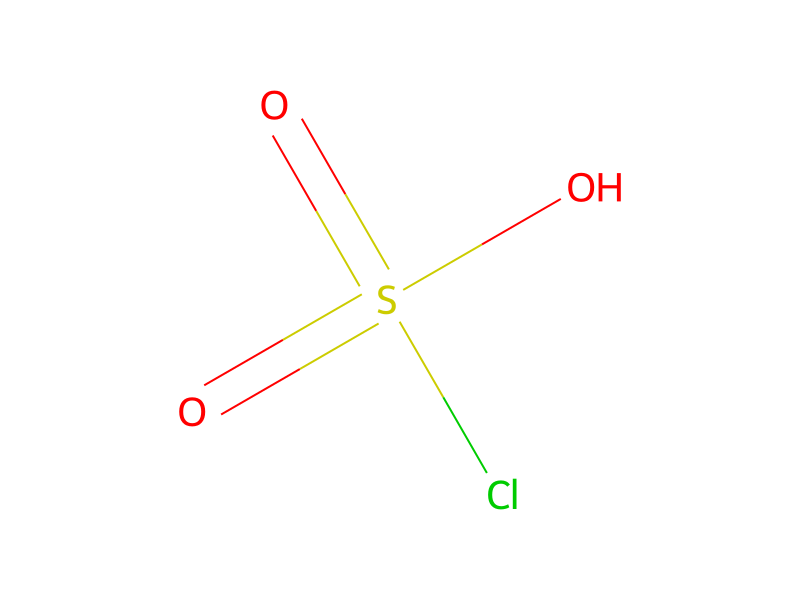
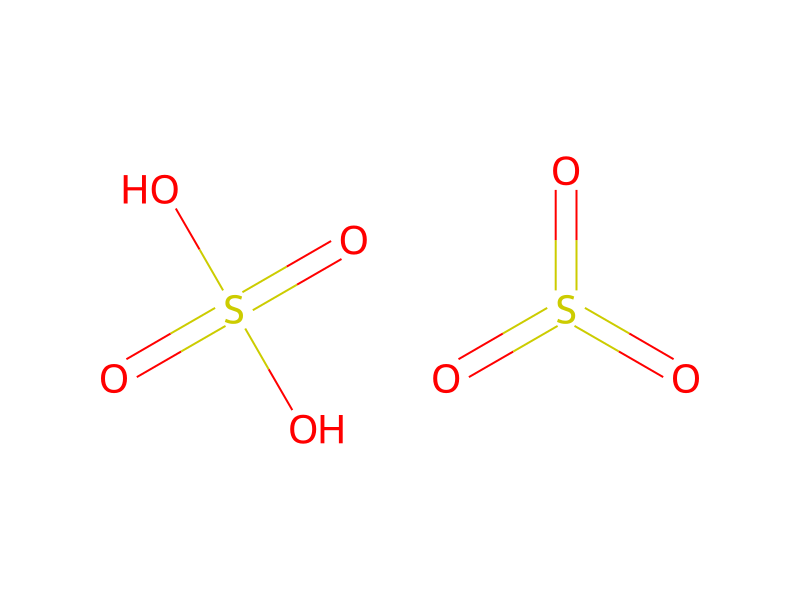
[F:1][C:2]1[CH:10]=[C:9]([F:11])[C:8]([F:12])=[CH:7][C:3]=1[C:4]([OH:6])=[O:5].[Cl:13]S(O)(=O)=O.OS(O)(=O)=O.O=S(=O)=O.II>>[F:1][C:2]1[C:10]([Cl:13])=[C:9]([F:11])[C:8]([F:12])=[CH:7][C:3]=1[C:4]([OH:6])=[O:5]Participants
5



Procedure
The chlorination of the 2,4,5-trifluorobenzoic acid is carried out in the melt, under pressure and/or in a solvent, for example chlorosulphonic acid or oleum, in the presence of halogen transfer agents, for example iodine. 2,4,5-Trifluoro-3-chlorobenzoic acid is obtained in this reaction. However, since the reaction mixture still contains unchanged starting material and some 2,4,5,-trifluoro-3,6-dichlorobenzoic acid, the crude mixture is treated, without intermediate isolation, with thionyl chloride. The desired 2,4,5-trifluoro-3-chlorobenzoyl chloride is then obtained by fractional distillation. However, it is more favorable to carry out the separation by distillation of the acid fluorides.
Sources & evidence
- ORD record
- ord-83b9fe0250ff4251899db0af7444937c
- Source dataset
- uspto-grants-1996_06
- Patent number
- US05530158
Reaction notes
Loading…