Acetate → HCID 85444138, compound
Reaction equation

BrBr.[CH2:3]=[CH:4][CH:5]=[CH2:6].[C:7]([O-:10])(=[O:9])[CH3:8].[K+].[C:12]([O-:15])(=[O:14])[CH3:13]>C(O)(=O)C>[C:7]([O:10][C:4]([CH3:3])=[C:5]([O:15][C:12](=[O:14])[CH3:13])[CH3:6])(=[O:9])[CH3:8]Participants
6
Reactant 4
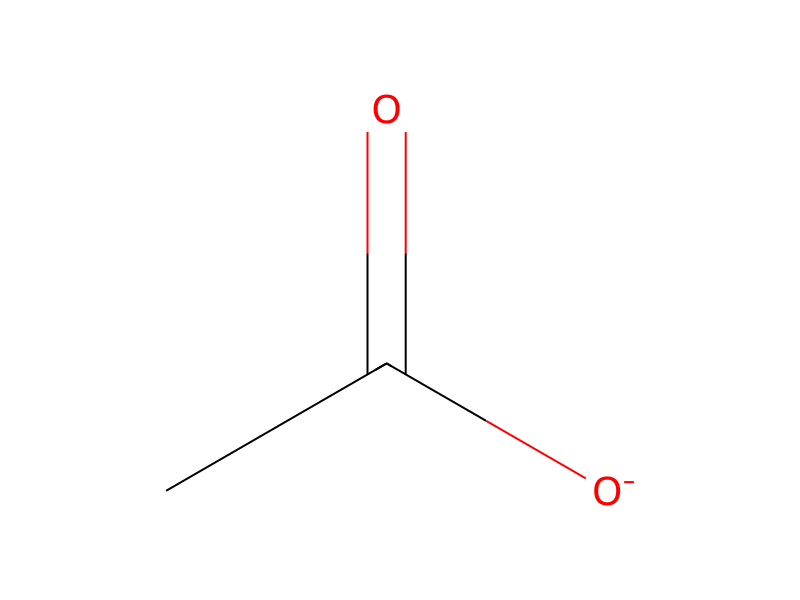



Product 1

Reagents, catalysts & solvents 1

Procedure
Halogen, e.g., bromine, and a conjugated diene, e.g., butadiene, are reacted in vapor phase, the reacted mass condensed and contacted with alkali metal acetate dissolved or dispersed in an acid, e.g., potassium acetate in glacial acetic acid, thus causing a reaction of formed dibromobutene-2 with the acetate to form diacetoxy-2-butene. The latter is hydrogenated to the corresponding diacetoxylated alkane. The diacetoxy alkane is hydrolyzed to the dihydroxy alkane, e.g., 1,4-butanediol. Alternately, the diacetoxy alkene can be hydrolyzed and the hydrogenation then conducted.
Workup
- customthe reacted mass condensed
- dissolutiondissolved
Sources & evidence
- ORD record
- ord-ddaf74d2c4c0491f8aa8d9522fd2776e
- Source dataset
- uspto-grants-1979_08
- Patent number
- US04164616
Reaction notes
Loading…