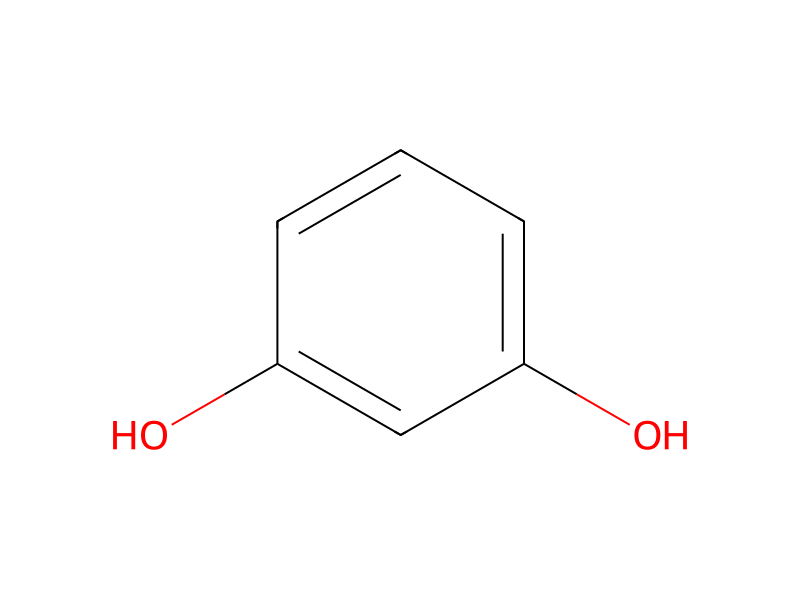
Resorcinol → 3,4-Dihydro-7-hydroxy-4-(1-naphthyl)coumarin
Reaction equation

[C:1]1([CH:8]=[CH:7][CH:6]=[C:4]([OH:5])[CH:3]=1)[OH:2].[C:9]1([CH:19]=[CH:20][C:21](O)=[O:22])[C:18]2[C:13](=[CH:14][CH:15]=[CH:16][CH:17]=2)[CH:12]=[CH:11][CH:10]=1.Cl.Cl>>[OH:2][C:1]1[CH:3]=[C:4]2[C:6]([CH:19]([C:9]3[C:18]4[C:13](=[CH:14][CH:15]=[CH:16][CH:17]=4)[CH:12]=[CH:11][CH:10]=3)[CH2:20][C:21](=[O:22])[O:5]2)=[CH:7][CH:8]=1Participants
4


Procedure
Condensation of resorcinol with 3-(1-naphthyl)acrylic acid in the presence of hydrochloric acid/hydrogen chloride (method of J. D. Simpson and H. Stephen, J. Chem. Soc. (London) 1936, 1382) gave the desired dihydrocoumarin, m.p. 203.5-206.5, in 64% yield.
Sources & evidence
- ORD record
- ord-c7c3e1968942412e9aa3080c1c883394
- Source dataset
- uspto-grants-1979_04
- Patent number
- US04148909
Reaction notes
Loading…