Potassium Carbonate → 6-Hydroxy-2-naphthoic acid
Reaction equation

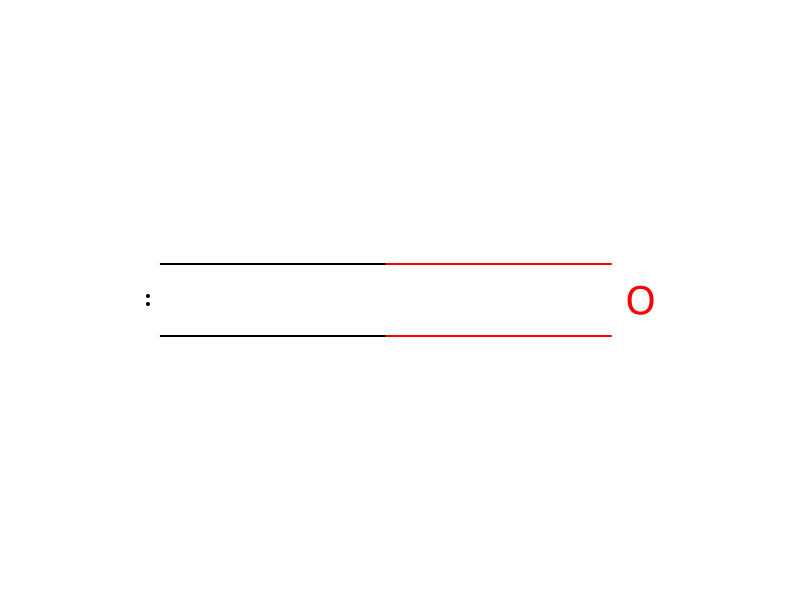
[CH:1]([O-:3])=[O:2].[K+].[C]=O.[C:7]1([O-])[C:16]2[C:11](=[CH:12][CH:13]=[CH:14][CH:15]=2)[CH:10]=[CH:9][CH:8]=1.[K+].C(=O)([O-])[O-:20].[K+].[K+]>>[OH:20][C:8]1[CH:9]=[CH:10][C:11]2[C:16](=[CH:15][CH:14]=[C:13]([C:1]([OH:3])=[O:2])[CH:12]=2)[CH:7]=1Participants




Conditions
- Temperature
- 280 °C
Procedure
A stainless steel pressure autoclave is charged with 50 parts of kerosene and 10 parts of potassium formate and heated to 280° C. 50 bar of carbon monoxide are then injected. Using a metering pump, a mixture comprising 50 parts of potassium naphtholate and 38 parts of potassium carbonate is metered into the reactor as a suspension in kerosene over the course of 5 hours. Some of this kerosene is removed from the reaction vessel by distillation under reduced pressure, and is condensed and expelled. The reaction mixture is worked up conventionally to give 2-hydroxynaphthalene-6-carboxylic acid in a yield of 67% based on the potassium naphtholate employed. Secondary products are 15% of unreacted β-naphthol, 4% of 2-hydroxynaphthalene-3-carboxylic acid and 9% of 2-hydroxynaphthalene-3,6-dicarboxylic acid.
Workup
- customSome of this kerosene is removed from the reaction vessel by distillation under reduced pressure
- customcondensed
Sources & evidence
- ORD record
- ord-9f94cbc6776a4508b1123e5988a329b0
- Source dataset
- uspto-grants-1997_07
- Patent number
- US05643494
Reaction notes
Loading…