Sodium Iodide → 2'-O-Hexenyluridine
Reaction equation

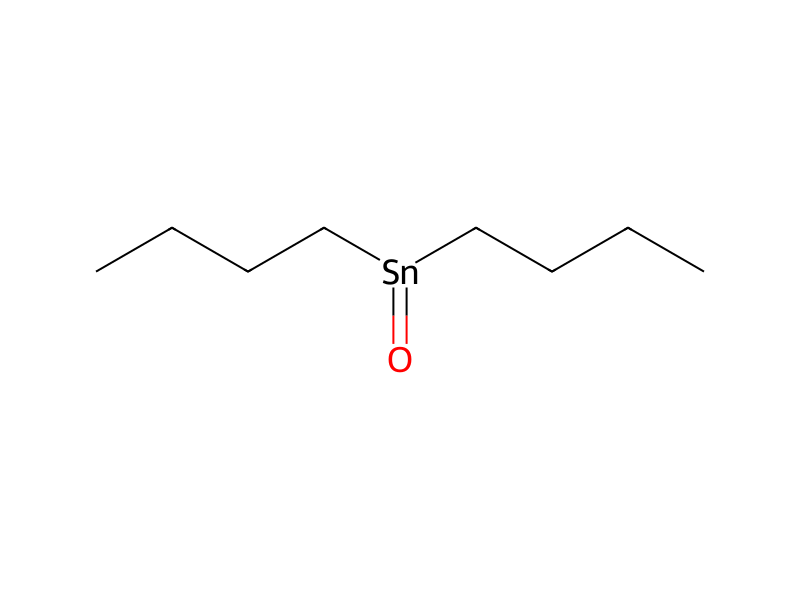
[C@@H:1]1([N:10]2[CH:17]=[CH:16][C:14](=[O:15])[NH:13][C:11]2=[O:12])[O:9][C@H:6]([CH2:7][OH:8])[C@@H:4]([OH:5])[C@H:2]1[OH:3].C([Sn](=O)CCCC)CCC.[CH2:28]([C@@:32]1(O)[C@H:36](OCCCC)[C@@H:35]([C:42](=[SnH2])O)O[C@H]1N1C=CC(=O)NC1=O)[CH2:29]CC.BrCCCCC=C.[I-].[Na+]>>[CH:29]([O:3][C@@H:2]1[C@H:4]([OH:5])[C@@H:6]([CH2:7][OH:8])[O:9][C@H:1]1[N:10]1[CH:17]=[CH:16][C:14](=[O:15])[NH:13][C:11]1=[O:12])=[CH:28][CH2:32][CH2:36][CH2:35][CH3:42]Participants
6




Procedure
As per the procedure of Example 49, uridine (10.5 g) was treated with dibutyl tin oxide (10.5 g, 1 eq). The resulting 2',3'-O-dibutylstannyleneuridine was treated with 6-bromohexene (3.5 ml, 1.2 eq.) and sodium iodide (3.3 g, 1.o eq.) at 115° C. as per Example 50 to give the 2' and 3' isomers (3.3 g) as a foam.
Workup
- customto give the 2' and 3' isomers (3.3 g) as a foam
Sources & evidence
- ORD record
- ord-ae2f79e7019b4f62b0cabe9e449dc31a
- Source dataset
- uspto-grants-1997_07
- Patent number
- US05646265
Reaction notes
Loading…