1,3-Dioxolane, 2-(phenylmethyl)- → HCID 19082234, compound
Reaction equation

[C:1]1([CH2:7][CH:8]2[O:12][CH2:11][CH2:10][O:9]2)[CH:6]=[CH:5][CH:4]=[CH:3][CH:2]=1.Br[CH2:14][CH2:15][C:16]#[N:17].[OH-].[Na+]>[Cl-].C([N+](CCCC)(CCCC)CCCC)CCC.ClCCl.O>[C:1]1([CH2:7][CH2:8][O:12][CH2:11][CH2:10][O:9][CH2:14][CH2:15][C:16]#[N:17])[CH:2]=[CH:3][CH:4]=[CH:5][CH:6]=1Participants






Procedure
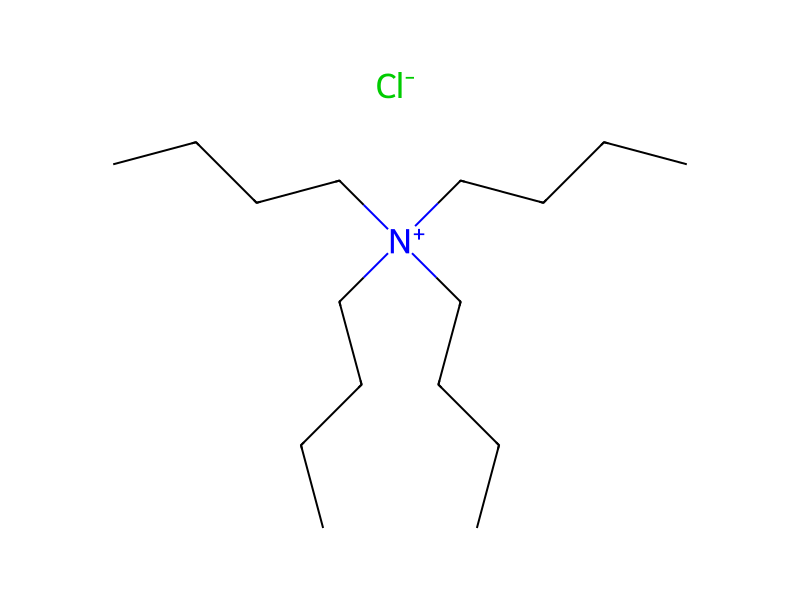
A mixture of 3-(2-phenylethoxy)ethanol (8.0 g, prepared from 2-phenylmethyl 1,3-dioxolane according to the general method in Can. J. Chem., 1974, 52, 888), 3-bromopropanenitrile (5.6 ml), sodium hydroxide (50 g) and tetrabutylammonium chloride (0.5 g) in dichloromethane (100 ml) and water (100 ml) was stirred at room temperature for 72 hours. The mixture was diluted with water and the organic layer separated. The aqueous layer was extracted with a further portion of dichloromethane. The combined organic extracts were washed with dilute aqueous hydrochloric acid and water, dried (MgSO4) and evaporated under reduced pressure to yield the crude product. This material was purified by flash chromatography over silica using 1:1 ether:petroleum ether (bp 60°-80°) as eluant to give the subtitled compound as an oil (9.84 g, 90% ).
Workup
- customthe organic layer separated
- extractionThe aqueous layer was extracted with a further portion of dichloromethane
- washThe combined organic extracts were washed with dilute aqueous hydrochloric acid and water
- dry with materialdried (MgSO4)
- customevaporated under reduced pressure
- customto yield the crude product
- customThis material was purified by flash chromatography over silica using 1:1 ether
Sources & evidence
- ORD record
- ord-00d7d368ac524d61bd2219f2643035b6
- Source dataset
- uspto-grants-1997_07
- Patent number
- US05648370
Reaction notes
Loading…