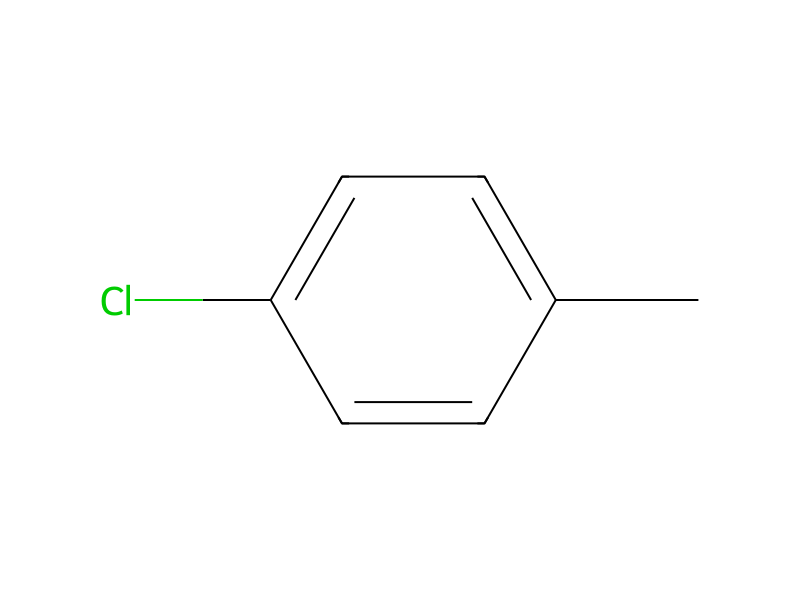
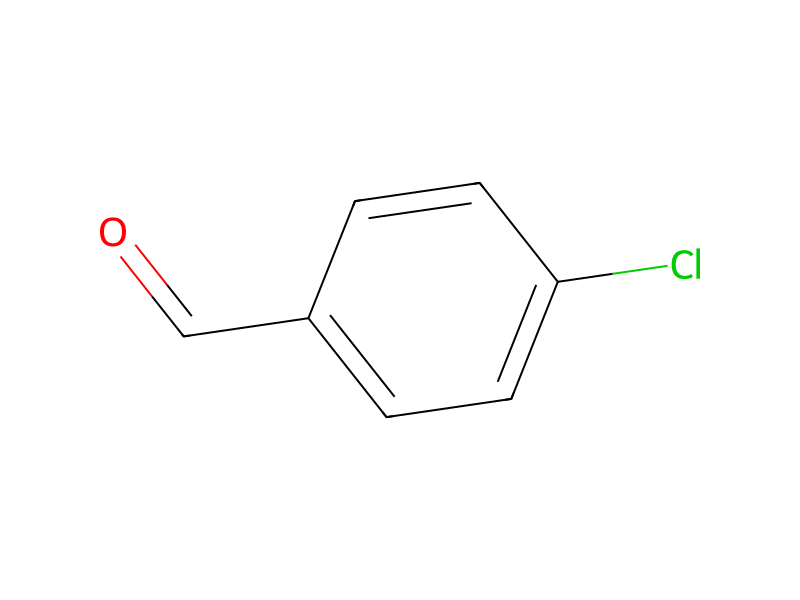
4-Chlorotoluene → 4-Chlorobenzaldehyde
Reaction equation

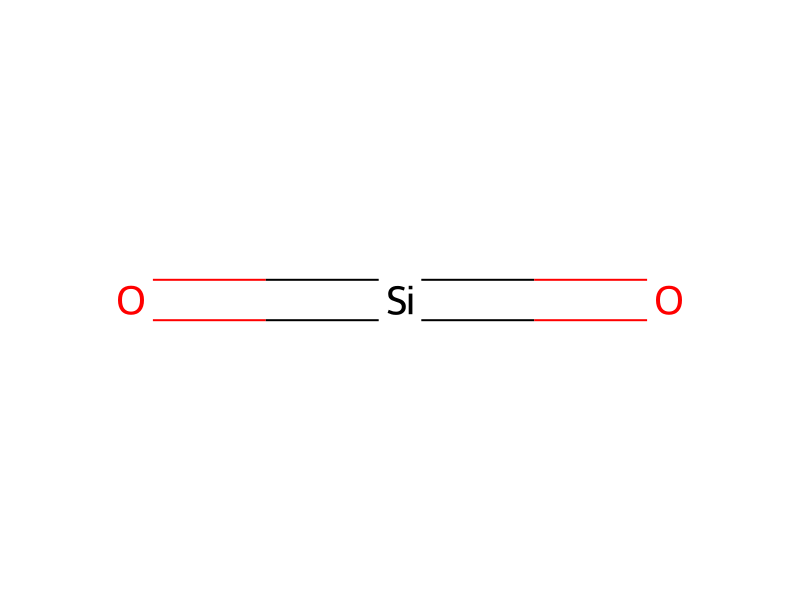
[O:1]=[Si]=O.[Cl:4][C:5]1[CH:10]=[CH:9][C:8]([CH3:11])=[CH:7][CH:6]=1>>[Cl:4][C:5]1[CH:10]=[CH:9][C:8]([CH:11]=[O:1])=[CH:7][CH:6]=1Participants
Reactant 2
Product 1
Conditions
- Temperature
- -70 °C
Procedure
To carry out the oxidation, 20 g of the catalyst is mixed with 20 g of broken quartz glass of the same screening fraction and this mixture is placed in a quartz glass tube having an inner diameter of 1.5 cm. For thermostating, the reactor is immersed in a fluidized sand bath which is heated externally. The starting material gas comprising 1% by volume of 4-chlorotoluene and 99% by volume of air is passed through the heated reactor at a total volumetric flow rate of 2.5 ml/s (STP) and the product is collected in a trap cooled to -70° C. Carbon monoxide and carbon dioxide are quantitatively determined by gas chromatography. The unreacted 4-chlorotoluene collected in the cold trap and the 4-chlorobenzaldehyde formed are taken up in acetonitrile and analyzed by HPLC. The results of the reaction are given in Table 1.
Workup
- customthis mixture is placed in a quartz glass tube
- customFor thermostating, the reactor is immersed in a fluidized sand bath
- temperaturewhich is heated externally
- customthe product is collected in a trap
- customThe unreacted 4-chlorotoluene collected in the cold trap
Sources & evidence
- ORD record
- ord-ecc2797ae3754b9080cc7b46e68651ad
- Source dataset
- uspto-grants-1997_07
- Patent number
- US05648551
Reaction notes
Loading…