Hydrochloric Acid → N-benzyl-3-(2-hydroxyethyl)-2-biphenylcarboxamide
Reaction equation

[C:1]1([C:7]2[CH:8]=[CH:9][CH:10]=[C:11]3[C:17]=2[C:15](=[O:16])[O:14][CH2:13][CH2:12]3)[CH:6]=[CH:5][CH:4]=[CH:3][CH:2]=1.Br.[CH2:19]([NH2:26])[C:20]1[CH:25]=[CH:24][CH:23]=[CH:22][CH:21]=1.C(N)C1C=CC=CC=1.Cl>>[CH2:19]([NH:26][C:15]([C:17]1[C:7]([C:1]2[CH:6]=[CH:5][CH:4]=[CH:3][CH:2]=2)=[CH:8][CH:9]=[CH:10][C:11]=1[CH2:12][CH2:13][OH:14])=[O:16])[C:20]1[CH:25]=[CH:24][CH:23]=[CH:22][CH:21]=1Participants
5

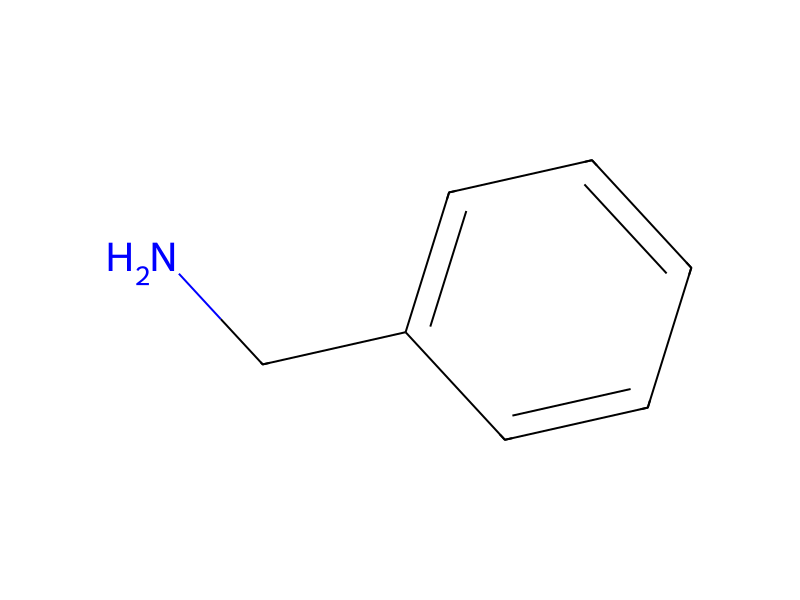


Conditions
- Temperature
- 160 °C
Procedure
A mixture of 7.84 parts of 3,4-dihydro-8-phenylisocoumarin and 8 parts of benzylamine hydrobromide in 40 parts by volume of benzylamine is stirred at about 160° C. for about 4 hours. The reaction solution is then cooled and poured into 500 parts by volume of 5% hydrochloric acid. The oil which separates is extracted into methylene chloride and the extracts are washed with several portions of 5% hydrochloric acid, water, dried over anhydrous magnesium sulfate and the solvent removed to give, as a solid, N-benzyl-3-(2-hydroxyethyl)-2-biphenylcarboxamide. The solid is recrystallized from a mixture of chloroform and hexane to give white flocculant crystals melting at about 129°-130° C. This compound has the following formula ##STR13##
Workup
- temperatureThe reaction solution is then cooled
- extractionThe oil which separates is extracted into methylene chloride
- washthe extracts are washed with several portions of 5% hydrochloric acid, water
- dry with materialdried over anhydrous magnesium sulfate
- customthe solvent removed
Sources & evidence
- ORD record
- ord-f18e2c3b068e4388813cd516dedeb43d
- Source dataset
- uspto-grants-1980_09
- Patent number
- US04220778
Reaction notes
Loading…