Formaldehyde → 2-Dimethylamino-1-phenyl-1-propanone hydrochloride
Reaction equation

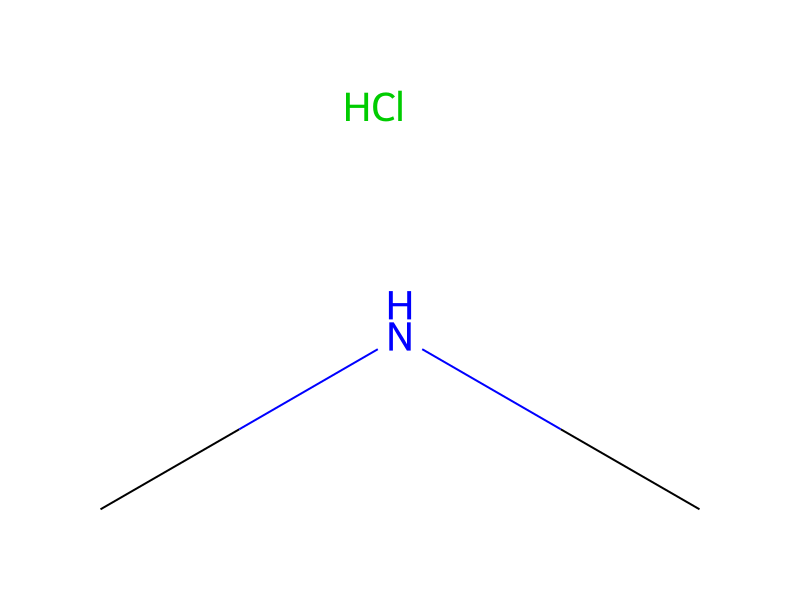
[C:1]([C:4]1[CH:9]=[CH:8][CH:7]=[CH:6][CH:5]=1)(=[O:3])[CH3:2].[CH2:10]=O.[ClH:12].[CH3:13][NH:14][CH3:15]>>[ClH:12].[CH3:13][N:14]([CH:2]([CH3:10])[C:1]([C:4]1[CH:9]=[CH:8][CH:7]=[CH:6][CH:5]=1)=[O:3])[CH3:15]Participants
4



Procedure
A mixture of acetophenone (100 g), paraformaldehyde (25 g) and dimethylamine hydrochloride (68 g) was vigorously stirred and pumped through the CMR (23 ml/min.; 180°-90° C.; 400 kPa). The product tended to crystallise rapidly when cooled, so was collected by passing the hot effluent into a flask which was cooled in ice-water. Analysis by 1H nmr indicated a 44% conversion of acetophenone to product, which was isolated in 29% yield. By conventional methodology8, a crude yield of 71% can be obtained after 2 hours at reflux followed by overnight refrigeration.
Workup
- custompumped through the CMR (23 ml/min.; 180°-90° C.; 400 kPa)
- customto crystallise rapidly when
- temperaturecooled
- customso was collected
- temperaturewas cooled in ice-water
- customwhich was isolated in 29% yield
- customBy conventional methodology8, a crude yield of 71% can be obtained after 2 hours
- temperatureat reflux
Sources & evidence
- ORD record
- ord-a0c11db456124aeeace7192f353d2156
- Source dataset
- uspto-grants-1995_02
- Patent number
- US05387397
Reaction notes
Loading…