Acetic Anhydride → 4-[(2,5-Dioxoimidazolidin-4-ylidene)methyl]benzonitrile
Reaction equation

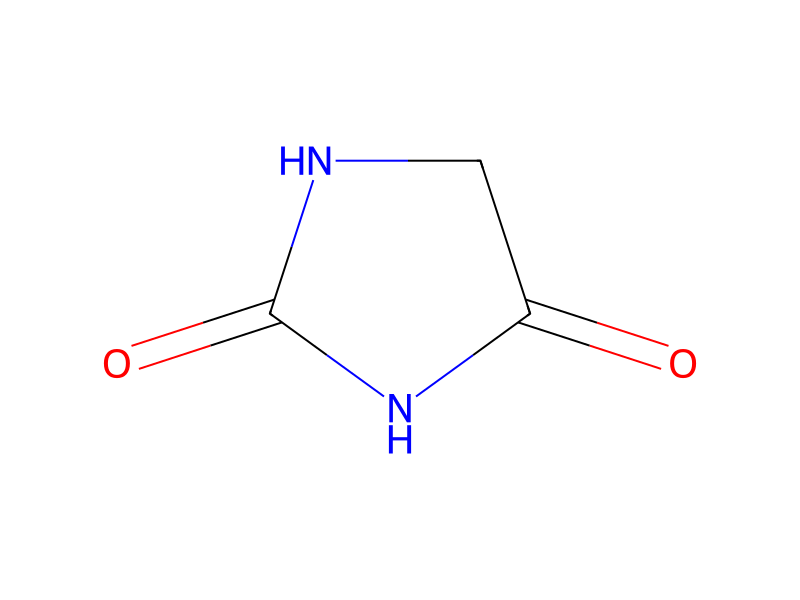
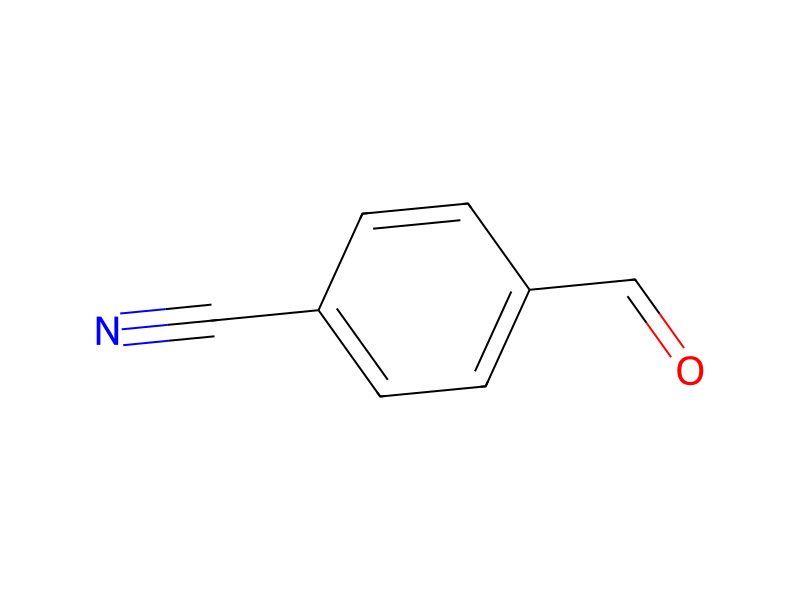
[C:1]([C:3]1[CH:10]=[CH:9][C:6]([CH:7]=O)=[CH:5][CH:4]=1)#[N:2].[NH:11]1[CH2:17][C:15](=[O:16])[NH:14][C:12]1=[O:13].C([O-])(=O)C.[Na+].C(OC(=O)C)(=O)C>C(O)(=O)C>[C:1]([C:3]1[CH:10]=[CH:9][C:6]([CH:7]=[C:17]2[NH:11][C:12](=[O:13])[NH:14][C:15]2=[O:16])=[CH:5][CH:4]=1)#[N:2]Participants
6
Reactant 4


Product 1

Reagents, catalysts & solvents 1

Procedure
36.7 g (0.28 mol) of 4-cyanobenzaldehyde, 10 g (0.1 mol) of hydantoin, 21.6 g (0.263 mol) of sodium acetate and 28.6 ml (0.3 mol) of acetic anhydride are heated under reflux in 85 ml of acetic acid for 4 hours. After cooling, the mixture is poured onto ice and extracted with methylene chloride. The methylene chloride phase is concentrated, and the residue is stirred with methanol and filtered off with suction.
Workup
- temperatureAfter cooling
- additionthe mixture is poured onto ice
- extractionextracted with methylene chloride
- concentrationThe methylene chloride phase is concentrated
- filtrationfiltered off with suction
Sources & evidence
- ORD record
- ord-afeed6daf91b4b52bfee03ef4c2b5346
- Source dataset
- uspto-grants-1995_02
- Patent number
- US05389614
Reaction notes
Loading…