Acetamide → HCID 15230498, compound
Reaction equation

Br[C:2]1[CH:3]=[CH:4][CH:5]=[C:6]2[C:11]=1[CH2:10][CH:9]([N:12]([CH2:16][CH2:17][CH3:18])CCC)[CH2:8][CH2:7]2.[C:19]([NH2:22])(=[O:21])[CH3:20].[OH-].[NH4+]>>[CH2:16]([NH:12][CH:9]1[CH2:8][CH2:7][C:6]2[C:11](=[C:2]([NH:22][C:19](=[O:21])[CH3:20])[CH:3]=[CH:4][CH:5]=2)[CH2:10]1)[CH2:17][CH3:18]Participants
4
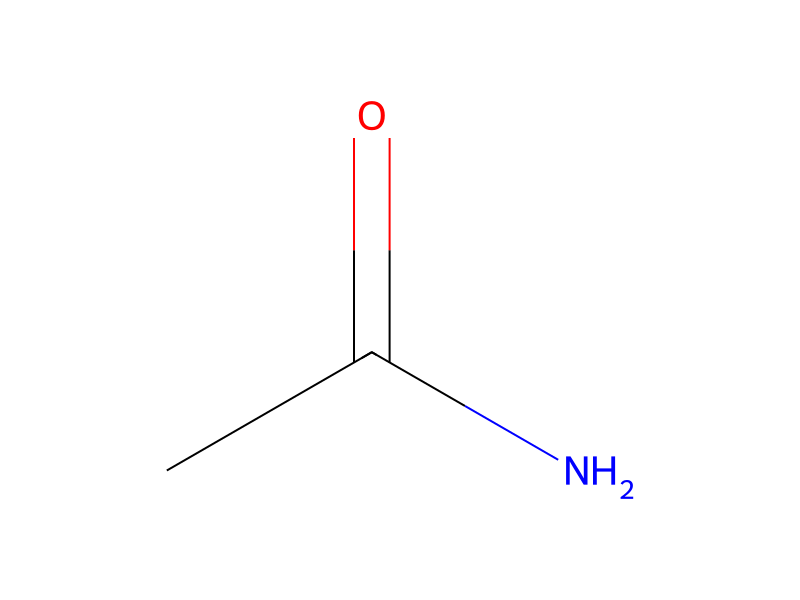



Conditions
- Temperature
- 180 °C
Procedure
To 8-bromo-2-di-n-propylamino-1,2,3,4-tetrahydronaphthalene (500 mg, 1.6 mMol) were added acetamide (5 gm) and cuprous iodide (340 mg, 1.8 mMol), and the mixture was heated at 180° C. for four hours. The dark reaction mixture was then poured into a slurry of ice and ammonium hydroxide. This mixture was extracted well with dichloromethane, and the combined extracts were washed with water, dried over sodium sulfate and concentrated in vacuo to give a dark viscous residue. Purification by flash chromatography (3% methanol in dichloromethane+tr. NH4OH) gave the title compound as a dark, viscous oil (130 mg, 31%). The maleate salt was formed and crystallized (ethanol/diethyl ether) to give tan crystals (m.p.=132°-133° C.).
Workup
- customThe dark reaction mixture
- extractionThis mixture was extracted well with dichloromethane
- washthe combined extracts were washed with water
- dry with materialdried over sodium sulfate
- concentrationconcentrated in vacuo
- customto give a dark viscous residue
- customPurification by flash chromatography (3% methanol in dichloromethane+tr. NH4OH)
Sources & evidence
- ORD record
- ord-8934dac05abc4f56be70cb785f8e395f
- Source dataset
- uspto-grants-1995_02
- Patent number
- US05389687
Reaction notes
Loading…