1,4-Butanediol → 4-(4-Acetyl-3-hydroxy-2-propylbenzyloxy)-1-butanol
Reaction equation

[H-].[Na+].[CH2:3]([OH:8])[CH2:4][CH2:5][CH2:6][OH:7].[C:9]([C:12]1[CH:19]=[CH:18][C:15]([CH2:16]Cl)=[C:14]([CH2:20][CH2:21][CH3:22])[C:13]=1[OH:23])(=[O:11])[CH3:10]>O>[C:9]([C:12]1[CH:19]=[CH:18][C:15]([CH2:16][O:7][CH2:6][CH2:5][CH2:4][CH2:3][OH:8])=[C:14]([CH2:20][CH2:21][CH3:22])[C:13]=1[OH:23])(=[O:11])[CH3:10]Participants
5
Reactant 3
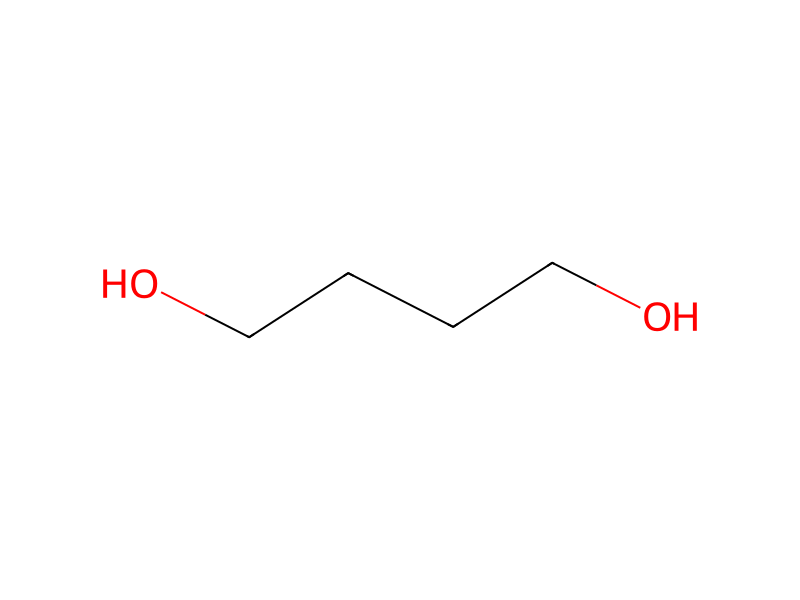


Product 1

Reagents, catalysts & solvents 1

Procedure
To a suspension of 9.6 g. of a 50% oil dispersion of sodium hydride in 100 ml. of 1,4-butanediol were added 11.3 g. of 4-acetyl-3-hydroxy-2-propylbenzyl chloride. The reaction was stirred overnight at room temperature and then heated to 60° C. for six hours. The reaction mixture was then poured into water and extracted with ethyl acetate. The ethyl acetate solution was evaporated to dryness and the residue was purified by chromatography over silica gel to provide 14.1 g. of the desired title product. NMR.
Workup
- additionTo a suspension of 9.6 g
- temperatureheated to 60° C. for six hours
- extractionextracted with ethyl acetate
- customThe ethyl acetate solution was evaporated to dryness
- customthe residue was purified by chromatography over silica gel
- customto provide 14.1 g
Sources & evidence
- ORD record
- ord-68c5ffadd61c4ec5a76950b5b0c3c717
- Source dataset
- uspto-grants-1995_02
- Patent number
- US05393768
Reaction notes
Loading…