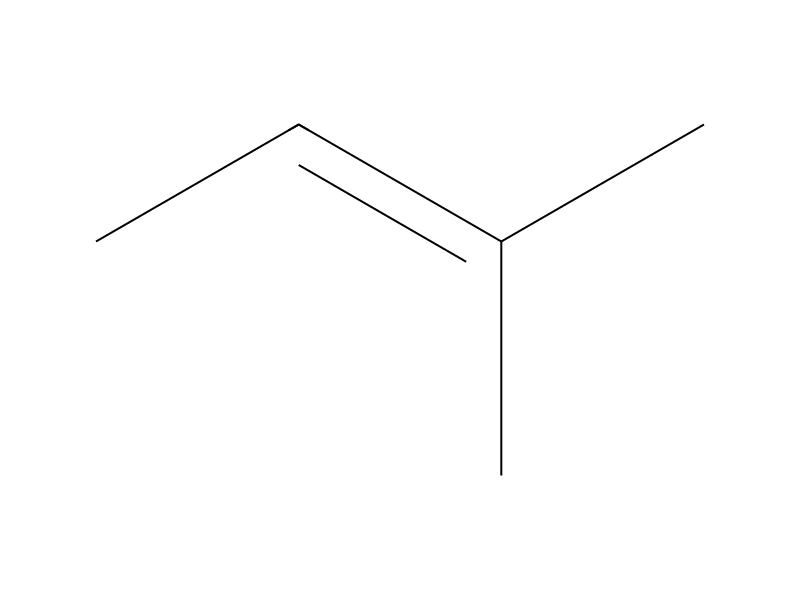
2-Methyl-2-butene → 2-Difluoromethyloxy-4,6-dimethylphenyl acetic acid
Reaction equation

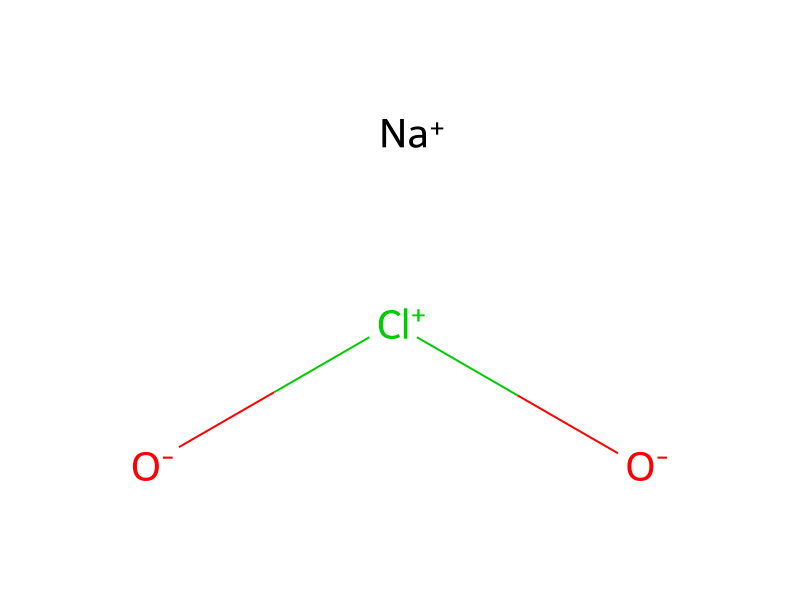
[F:1][CH:2]([F:15])[O:3][C:4]1[CH:9]=[C:8]([CH3:10])[CH:7]=[C:6]([CH3:11])[C:5]=1[CH2:12][CH:13]=[O:14].CC(=CC)C.P([O-])(O)(O)=[O:22].[Na+].Cl([O-])=O.[Na+]>C(O)(C)(C)C.O.C(OCC)(=O)C>[F:1][CH:2]([F:15])[O:3][C:4]1[CH:9]=[C:8]([CH3:10])[CH:7]=[C:6]([CH3:11])[C:5]=1[CH2:12][C:13]([OH:22])=[O:14]Participants
Reactant 4


Product 1

Reagents, catalysts & solvents 3



Procedure
19.2 g of 2-difluoromethyloxy-4,6-dimethylphenylacetaldehyde (XXXIV-c-1) as the crude product were dissolved in 270 ml of tert-butanol, the solution was mixed with 90.4 g of 2-methyl-2-butene, and a solution of 90 g of sodium dihydrogen phosphate and 42 g of sodium chlorite in 353 ml of water was subsequently added dropwise at room temperature. The mixture was stirred for four hours and then stirred into 400 ml of ethyl acetate, and the phases were separated. The aqueous phase was extracted two more times using ethyl acetate, and the combined organic phases were dried over magnesium sulphate and concentrated. After stirring with hexane, 11 g of solid were isolated, from which 2.5 g (14% of theory via 2 steps) of 2-difluoromethyloxy-4,6-dimethylphenylacetic acid of melting point 124-127° C. were obtained.
Workup
- customthe phases were separated
- extractionThe aqueous phase was extracted two more times
- dry with materialthe combined organic phases were dried over magnesium sulphate
- concentrationconcentrated
- stirringAfter stirring with hexane
Sources & evidence
- ORD record
- ord-9f85cf0a0e9447d5ac7138907c46dfcd
- Source dataset
- uspto-grants-2002_03
- Patent number
- US06358887B1
Reaction notes
Loading…