Tin tetrachloride → HCID 22627276, compound
Reaction equation

[CH2:1]([C:4]1[NH:5][C:6]2[C:11]([CH:12]=1)=[CH:10][CH:9]=[C:8]([C:13]([O:15][CH3:16])=[O:14])[CH:7]=2)[CH2:2][CH3:3].[Sn](Cl)(Cl)(Cl)Cl.[CH3:22][O:23][CH2:24][C:25](Cl)=[O:26]>ClCCl>[CH3:22][O:23][CH2:24][C:25]([C:12]1[C:11]2[C:6](=[CH:7][C:8]([C:13]([O:15][CH3:16])=[O:14])=[CH:9][CH:10]=2)[NH:5][C:4]=1[CH2:1][CH2:2][CH3:3])=[O:26]Participants
5
Reactant 3

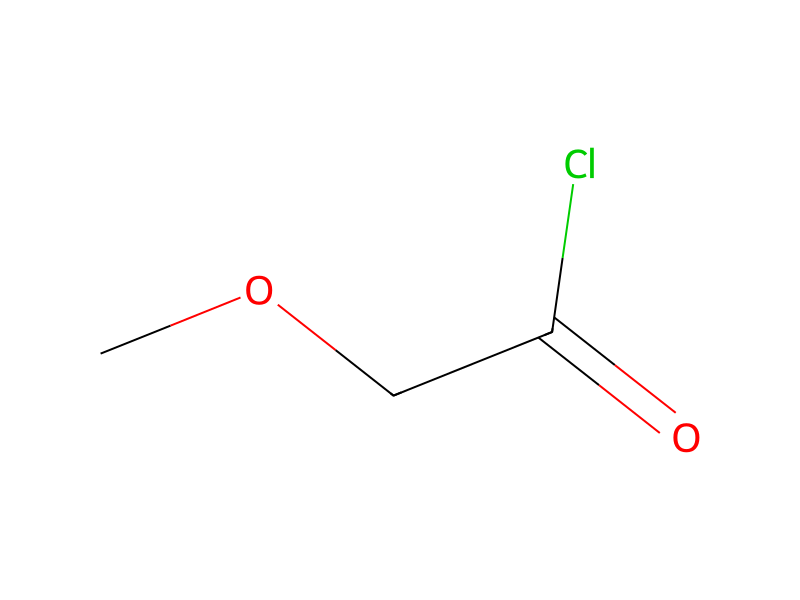

Product 1

Reagents, catalysts & solvents 1

Conditions
- Temperature
- 20 °C
Procedure
To a solution of methyl 2-propylindole-6-carboxylate (300 mg) in dichloromethane (10 ml) was added a 1M solution of tin(IV) chloride in dichloromethane (2.76 ml) at 20° C. The mixture was stirred at 20° C. for 30 minutes, then methoxyacetyl chloride (0.25 ml) was added. After stirred at 20° C. or 30 minutes, the mixture was partitioned between ethyl acetate and water. The organic layer was washed with water and brine, dried over magnesium sulfate, and evaporated in vacuo. The residue was chromatographed on silica gel eluting with a mixture of ethyl acetate and hexane (1:10-1:1) to give methyl 3-methoxyacetyl-2-propylindole-6-carboxylate (135 mg) as pale yellow crystals.
Workup
- stirringAfter stirred at 20° C. or 30 minutes
- customthe mixture was partitioned between ethyl acetate and water
- washThe organic layer was washed with water and brine
- dry with materialdried over magnesium sulfate
- customevaporated in vacuo
- customThe residue was chromatographed on silica gel eluting with a mixture of ethyl acetate and hexane (1:10-1:1)
Sources & evidence
- ORD record
- ord-476294f71561446a8abf351080d5b188
- Source dataset
- uspto-grants-2002_03
- Patent number
- US06358992B1
Reaction notes
Loading…