Hydroxylamine → 2-METHYL-3-PENTYL ACETATE
Reaction equation

NO.[CH:3](=[O:7])[CH:4]([CH3:6])[CH3:5].C([Zn][CH2:11][CH3:12])C.[C:13](OC(=O)C)(=[O:15])[CH3:14]>CCCCCC.C1(C)C=CC=CC=1.ClC1C=CC=CC=1>[C:13]([O:7][CH:3]([CH2:11][CH3:12])[CH:4]([CH3:6])[CH3:5])(=[O:15])[CH3:14]Participants
8







Procedure
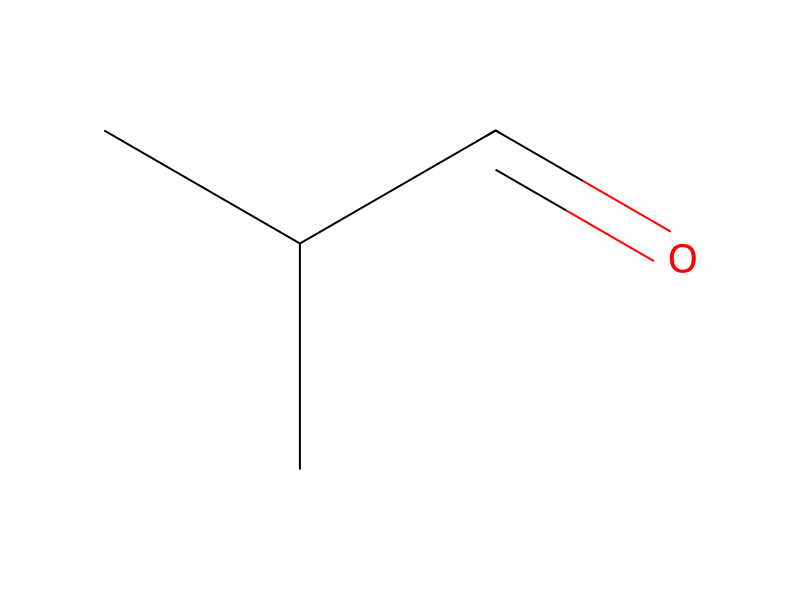
A vial was charged with aminoalcohol 1 (0.0067 g, 0.023 mmol) prepared as in Example 1. To the vial was added 1.45 mL of a stock solution containing freshly distilled isobutyraldehyde (0.22 g), chlorobenzene internal standard (0.22 g), 1 M diethylzinc in hexane (6.0 mL), and toluene (3.0 mL). After 48 h, acetic anhydride (0.200 mL) was added. After an additional 72 h, a sample of the solution was analyzed by gas chromatography at 70° C. on a Cyclodex B stationary phase. The product 3-acetoxy-2-methylpentane was formed in 100% yield and 97% enantiomeric excess. The identity and yield of the product was established by comparison with an authentic sample prepared by treatment of racemic 2,2-dimethyl-3-pentanol with acetic anhydride.
Workup
- waitAfter an additional 72 h
- customwas analyzed by gas chromatography at 70° C. on a Cyclodex B stationary phase
Sources & evidence
- ORD record
- ord-4792ceddfb4a449685f8c0ab307b0640
- Source dataset
- uspto-grants-2002_03
- Patent number
- US06362344B1
Reaction notes
Loading…