4-(Dimethylamino)Benzaldehyde → HCID 23323163, compound
Reaction equation

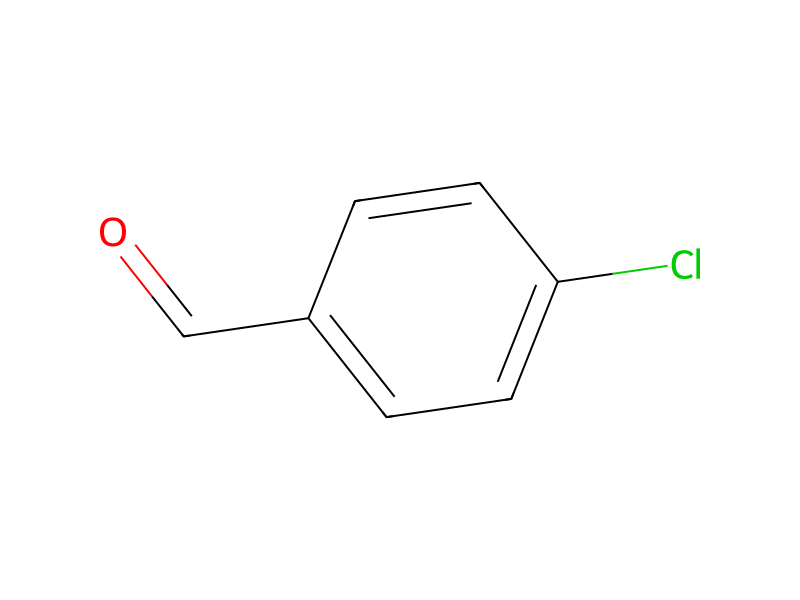
[Cl:1][C:2]1[CH:9]=[CH:8][C:5]([CH:6]=O)=[CH:4][CH:3]=1.C[N:11]([CH3:20])[C:12]1[CH:19]=[CH:18][C:15](C=O)=[CH:14][CH:13]=1.CO[C:23]1[CH:28]=[CH:27][C:26]([NH2:29])=[CH:25][CH:24]=1>>[Cl:1][C:2]1[CH:9]=[CH:8][C:5]([CH:6]2[N:11]([C:12]3[CH:13]=[CH:14][CH:15]=[CH:18][CH:19]=3)[CH2:20][C:27]3[C:26](=[CH:25][CH:24]=[CH:23][CH:28]=3)[NH:29]2)=[CH:4][CH:3]=1Participants
4



Procedure
2-(4'-chlorophenyl)-3-phenyl-1,2,3,4-tetrahydroquinazoline was prepared by the method of Example 1 but substituting 4-chlorobenzaldehyde for the 4-dimethylaminobenzaldehyde used in Example 1. The crude product had a melting point of 177° C. 0.5 g (0.0015 mol)of this compound and 0.18 g (0.005 mol) p-anisidine were fused together at 120 to 140° C. for about 1 hr. The product was the title compound as a white solid having a melting point of 116° C. This compound was imaged on CF paper, as described above, and gave an intense yellow coloration. The UV-visible spectrum of the coloured form of this compound showed peaks at 416 nm and 349 nm (relative intensity 0.98).
Workup
- customgave an intense yellow coloration
Sources & evidence
- ORD record
- ord-ea19756faa1a4699909ecbf3e291e214
- Source dataset
- uspto-grants-1986_05
- Patent number
- US04587538
Reaction notes
Loading…