Acetonitrile → HCID 54118437, compound
Reaction equation

[NH2:1][CH2:2][CH2:3][C:4]1[CH:12]=[CH:11][CH:10]=[C:9]2[C:5]=1[CH2:6][C:7](=[O:13])[NH:8]2.[CH2:14](Br)[CH:15]=[CH2:16].C(N([CH2:23][CH3:24])CC)C.[C:25](#N)C>>[CH2:14]([N:1]([CH2:2][CH2:3][C:4]1[CH:12]=[CH:11][CH:10]=[C:9]2[C:5]=1[CH2:6][C:7](=[O:13])[NH:8]2)[CH2:25][CH:23]=[CH2:24])[CH:15]=[CH2:16]Participants
5




Procedure
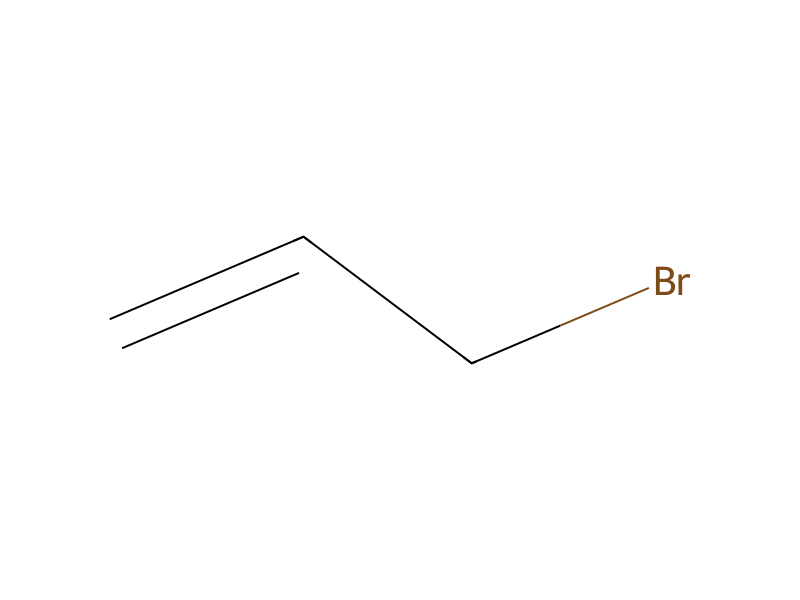
4-Aminoethyl-2(3H)-indolone (10 g) is reacted with two mole equivalents of allyl bromide and 4 equivalents of triethylamine in acetonitrile with mild heat for several hours. The reaction mixture is evaporated. The residue is suspended in water. The mixture is extracted with ethyl acetate. The extracts are washed, dried and evaporated to give 4-di-allylaminoethyl-2(3H)-indolone. This material (1 g) is dissolved in ether-ethanol and treated with methanesulfonic acid to give the methane sulfonate salt. Using benzyl bromide gives 4-dibenzylaminoethyl-2(3H)-indolone.
Workup
- temperaturewith mild heat for several hours
- customThe reaction mixture is evaporated
- extractionThe mixture is extracted with ethyl acetate
- washThe extracts are washed
- customdried
- customevaporated
Sources & evidence
- ORD record
- ord-c1d5b64ed2c04dca98fe4553de56e2c6
- Source dataset
- uspto-grants-1986_05
- Patent number
- US04588740
Reaction notes
Loading…