2,3-Dichloro-5,6-dicyano-1,4-benzoquinone → 2-(3,4,5-trimethoxyphenyl)-1H-benzimidazole
Reaction equation

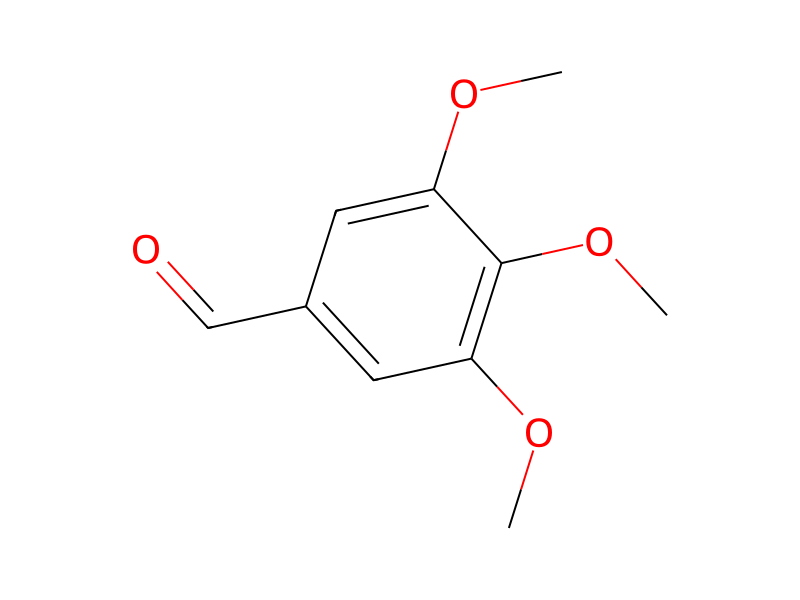
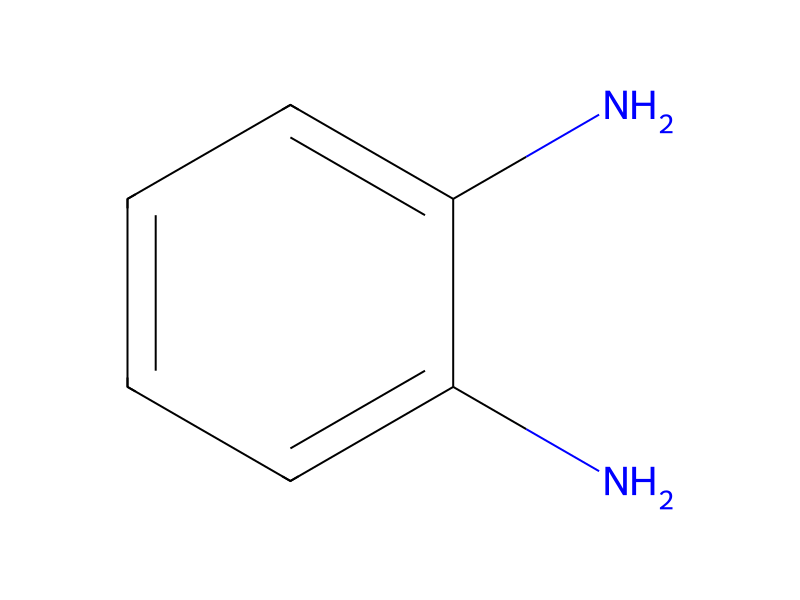
[C:1]1([NH2:8])[CH:6]=[CH:5][CH:4]=[CH:3][C:2]=1[NH2:7].[CH3:9][O:10][C:11]1[CH:12]=[C:13]([CH:16]=[C:17]([O:21][CH3:22])[C:18]=1[O:19][CH3:20])[CH:14]=O.ClC1C(=O)C(C#N)=C(C#N)C(=O)C=1Cl.[OH-].[Na+]>C(#N)C>[CH3:22][O:21][C:17]1[CH:16]=[C:13]([C:14]2[NH:8][C:1]3[CH:6]=[CH:5][CH:4]=[CH:3][C:2]=3[N:7]=2)[CH:12]=[C:11]([O:10][CH3:9])[C:18]=1[O:19][CH3:20]Participants
6




Procedure
To a solution of 1,2-phenylenediamine (30 mmole, 3.24 g) and 3,4,5-trimethoxybenzaldehyde (30 mmole, 5.89 g) in acetonitrile (75 ml) is added 2,3-dichloro-5,6-dicyano-1,4-benzoquinone (DDQ) (30 mmole, 6.81 g), and the mixture is stirred 18 hours at room temperature. Sodium hydroxide (0.5M, 120 ml) is added, and the mixture is stirred over night at room temperature. The dark precipitate is filtered off and is digested with ethanol (30 ml) to give the title product as a brown solid (14%). (R1=hydrogen, R2=3,4,5-trimethoxyphenyl, n=0). 1H-NMR (DMSO, TMS, δ): 3.74 (s, 3H, OCH3), 3.91 (s, 6H, OCH3), 7.20 (m, 2H, ar), 7.54 (s, 2H, ar), 7.61 (m, 2H, ar).
Workup
- stirringthe mixture is stirred over night at room temperature
- filtrationThe dark precipitate is filtered off
Sources & evidence
- ORD record
- ord-4e9b71b734694578bfd967e54ac3a99b
- Source dataset
- uspto-grants-2001_04
- Patent number
- US06211177B1
Reaction notes
Loading…