2-Methyl-8-hydroxyquinoline → HCID 2924186, compound
Reaction equation

[OH:1][C:2]1[CH:3]=[CH:4][CH:5]=[C:6]2[C:11]=1[N:10]=[C:9]([CH3:12])[CH:8]=[CH:7]2.[CH:13](=O)[C:14]1[CH:19]=[CH:18][C:17]([O:20][CH3:21])=[CH:16][CH:15]=1>>[CH3:21][O:20][C:17]1[CH:18]=[CH:19][C:14]([CH:13]=[CH:12][C:9]2[CH:8]=[CH:7][C:6]3[C:11](=[C:2]([OH:1])[CH:3]=[CH:4][CH:5]=3)[N:10]=2)=[CH:15][CH:16]=1Participants
3

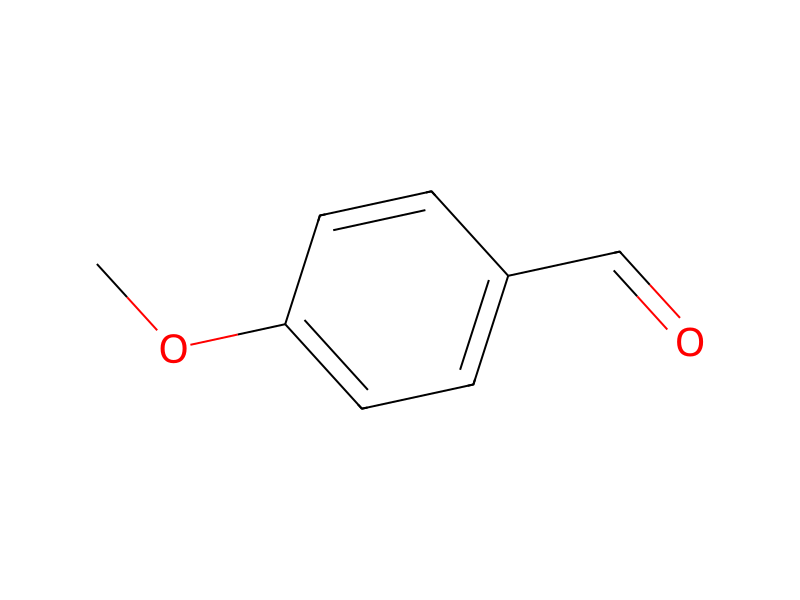

Conditions
- Temperature
- 180 °C
Procedure
A mixture of 8-hydroxyquinaldine (9.93 g) and p-anisaldehyde (20 mL) is heated at 180° C. overnight. The reaction is then cooled to room temperature and vacuum distilled. Once the majority of the p-anisaldehyde is distilled off (below 100° C.), the residue remaining in the flask is taken up in hot 95% EtOH. Any undissolved material is filtered off. H2O is added to the EtOH filtrate and the product is obtained as a yellow solid (3.42 g).
Workup
- temperatureThe reaction is then cooled to room temperature
- distillationvacuum distilled
- distillationOnce the majority of the p-anisaldehyde is distilled off (below 100° C.)
- filtrationAny undissolved material is filtered off
- additionH2O is added to the EtOH filtrate
Sources & evidence
- ORD record
- ord-8bcfa3962f6f4c9a9ce0afe5ac2396fb
- Source dataset
- uspto-grants-2001_04
- Patent number
- US06211376B1
Reaction notes
Loading…