Acetic Acid → HCID 22007157, compound
Reaction equation

[Cl:1][CH2:2][CH:3]([C:5]1[CH:10]=[C:9]([S:11](=[O:14])(=[O:13])[NH2:12])[CH:8]=[CH:7][C:6]=1[O:15][CH3:16])[OH:4].ClCCl.C1(N=C=NC2CCCCC2)CCCCC1.CN(C1C=CC=CN=1)C.[C:44](O)(=[O:46])[CH3:45]>CN(C)C=O>[C:44]([O:4][CH:3]([CH2:2][Cl:1])[C:5]1[CH:10]=[C:9]([S:11](=[O:14])(=[O:13])[NH2:12])[CH:8]=[CH:7][C:6]=1[O:15][CH3:16])(=[O:46])[CH3:45]Participants



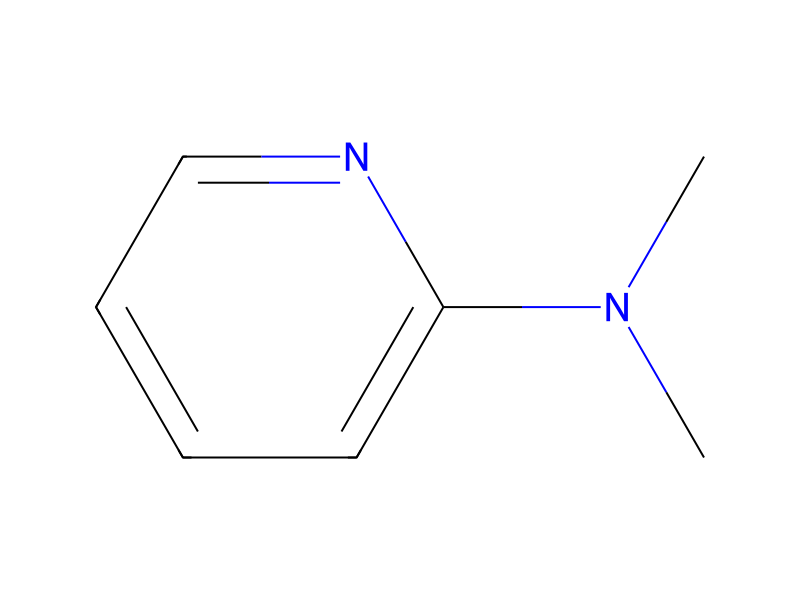



Procedure
2.64 g (9.9 mmol) of α-chloromethyl-2-methoxy-5-sulphamoylbenzenemethanol and 100 ml of dichloromethane are introduced into a 250-ml round-bottomed flask. 10 ml of dimethylformamide are then added with stirring, followed by 852 μl of acetic acid, 2.56 g of dicyclohexylcarbodiimide and 121 mg of dimethylaminopyridine. The mixture is allowed to react for 1 hour at room temperature, and is then filtered and rinsed with 50 ml of 5% sodium hydrogen carbonate solution and then with 50 ml of water. The rinsing liquors are extracted with 2 times 20 ml of acetic acid, and the organic phases are then combined, dried and concentrated. On chromatographing the residue on a silica column with a 25:75 mixture of ethyl acetate and cyclohexane, 1.9 g of product are obtained.
Workup
- customto react for 1 hour at room temperature
- filtrationis then filtered
- washrinsed with 50 ml of 5% sodium hydrogen carbonate solution
- extractionThe rinsing liquors are extracted with 2 times 20 ml of acetic acid
- customdried
- concentrationconcentrated
- additionOn chromatographing the residue on a silica column with a 25:75 mixture of ethyl acetate and cyclohexane, 1.9 g of product
- customare obtained
Sources & evidence
- ORD record
- ord-d0a89714aabb4aeda531bde5490cc495
- Source dataset
- uspto-grants-2001_04
- Patent number
- US06214882B1
Reaction notes
Loading…