Sodium → 3-Cyclopropyl-5-nitro-1H-pyrazole
Reaction equation

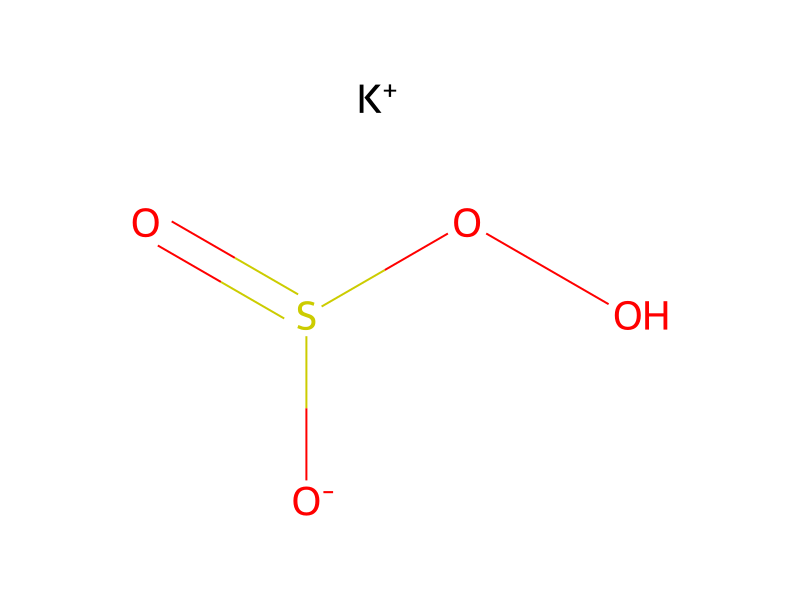
[OH2:1].[Na].[CH:3]1([C:6]2[CH:10]=[C:9]([NH2:11])[NH:8][N:7]=2)[CH2:5][CH2:4]1.[Na].[OH:13]OS([O-])=O.[K+]>O.CC(C)=O>[CH:3]1([C:6]2[CH:10]=[C:9]([N+:11]([O-:13])=[O:1])[NH:8][N:7]=2)[CH2:5][CH2:4]1Participants
7





Procedure
To a solution of 2.7 g of sodium hydrate in 454 ml of water 7.1 g (0.058 mol) of 3-cyclopropyl-5-amino-1H-pyrazole and 46.5 g of sodium hydrogenocarbonate were added at 0° C. After 10 minutes a solution of 337 ml of acetone in 221 ml of water and a solution of 130 g (0.21 mol) of oxone in 580 ml of water were contemporaneously dropped under vigorous stirring. After 4 hours at the same temperature the reaction is quenched with a saturated solution of sodium sulfite and extracted with ethylacetate. The organic layer was dried over anhydrous sodium sulfate and evaporated to dryness to give 4.6 g (52% yield) of the title compound.
Workup
- customAfter 4 hours at the same temperature the reaction is quenched with a saturated solution of sodium sulfite
- extractionextracted with ethylacetate
- dry with materialThe organic layer was dried over anhydrous sodium sulfate
- customevaporated to dryness
Sources & evidence
- ORD record
- ord-9160f4a259fd48c781dce9e9a126eecf
- Source dataset
- uspto-grants-2001_04
- Patent number
- US06218418B1
Reaction notes
Loading…