Cyclopentadiene → 2-Methyladamantan-2-yl bicyclo[2.2.1]hept-5-ene-2-carboxylate
Reaction equation

[C:1]([O:5][C:6]1([CH3:16])[CH:13]2[CH2:14][CH:9]3[CH2:10][CH:11]([CH2:15][CH:7]1[CH2:8]3)[CH2:12]2)(=[O:4])[CH:2]=[CH2:3].[CH:17]1[CH2:21][CH:20]=[CH:19]C=1.[CH2:22]1COCC1>>[CH:3]12[CH2:22][CH:21]([CH:20]=[CH:19]1)[CH2:17][CH:2]2[C:1]([O:5][C:6]1([CH3:16])[CH:7]2[CH2:15][CH:11]3[CH2:10][CH:9]([CH2:14][CH:13]1[CH2:12]3)[CH2:8]2)=[O:4]Participants
4
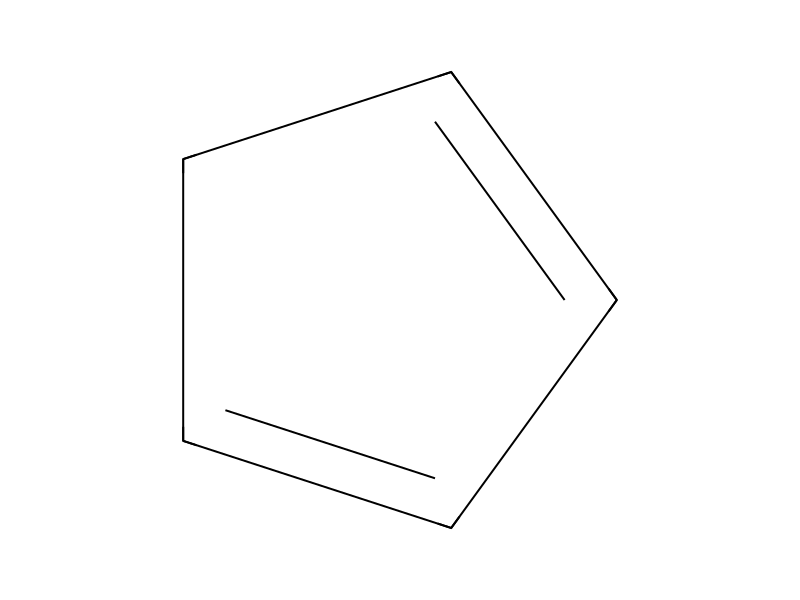



Conditions
- Temperature
- 50 °C
Procedure
20 2-methyl-2-adamantyl acrylate (44 g, 0.2 mol) was dissolved in 250 ml of THF, cyclopentadiene (20 g, 0.3 mol) was added slowly thereto at 0° C. and then the reaction temperature was raised to about 50° C. Then, the reaction was stirred for about 20 hours. After completion of the reaction, excess THF was removed using a rotary evaporator and then neutralized with dilute sulfuric acid. Then, the resultant product was extracted using diethyl ether and dried over magnesium sulfate. The obtained crude product was vacuum-distilled to yield the desired compound of viscous colorless liquid (yield: 90%) FIGS. 1 and 2 are NMR and FT-IR spectrums of the compound.
Workup
- customwas removed
- customa rotary evaporator
- extractionThen, the resultant product was extracted
- dry with materialdried over magnesium sulfate
- customThe obtained crude product
- distillationwas vacuum-distilled
Sources & evidence
- ORD record
- ord-a7639953d9894f59beb4fd43486e4156
- Source dataset
- uspto-grants-2001_04
- Patent number
- US06222061B1
Reaction notes
Loading…