1-Bromodecane → 7-Decyloxyheptanol
Reaction equation

[CH2:1]([OH:9])[CH2:2][CH2:3][CH2:4][CH2:5][CH2:6][CH2:7][OH:8].Br[CH2:11][CH2:12][CH2:13][CH2:14][CH2:15][CH2:16][CH2:17][CH2:18][CH2:19][CH3:20]>>[CH2:11]([O:8][CH2:7][CH2:6][CH2:5][CH2:4][CH2:3][CH2:2][CH2:1][OH:9])[CH2:12][CH2:13][CH2:14][CH2:15][CH2:16][CH2:17][CH2:18][CH2:19][CH3:20]Participants
3
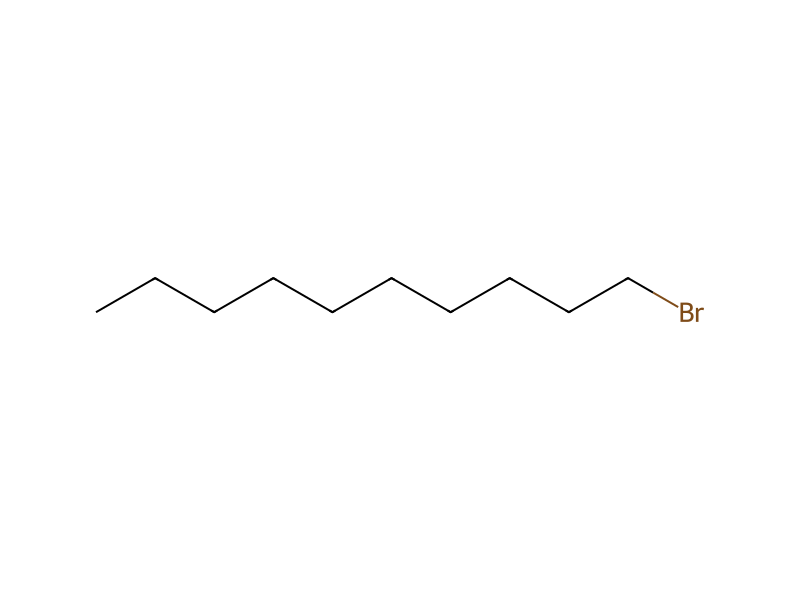


Procedure
3-(7-Decyloxyheptylthio)-propanol (m.p. 28°-32° C.), obtained by reacting heptane-1,7-diol with 1-bromodecane to give 7-decyloxyheptanol, bromination thereof to give 7-decyloxyheptyl bromide, reaction with methyl β-mercaptopropionate to give methyl β-(7-decyloxyheptylthio)-propionate and reduction with lithium aluminium hydride, is reacted in the manner described in Example 20C to give the desired choline ester in a yield of 17% of theory. The water-soluble, white crystals sinter at 53° C. and melt at 224° C.
Sources & evidence
- ORD record
- ord-c528c7b3cefd4e45849c910996e41e4b
- Source dataset
- uspto-grants-1984_04
- Patent number
- US04444766
Reaction notes
Loading…