Acetic Acid → HCID 131710703, compound
Reaction equation

[CH2:1]([N:8]1[CH2:15][CH2:14][C:13]2([C:18]([O:20][CH3:21])=[O:19])[C:16](=[O:17])[CH:9]1[CH2:10][C:11]1[CH:25]=[CH:24][C:23]([O:26][CH3:27])=[CH:22][C:12]=12)C1C=CC=CC=1.[C:28]([OH:31])(=[O:30])[CH3:29].[H][H]>[Pd].C(O)CC>[C:18]([OH:20])(=[O:19])/[CH:13]=[CH:29]/[C:28]([OH:31])=[O:30].[C:18]([C:13]12[C:16](=[O:17])[CH:9]([CH2:10][C:11]3[CH:25]=[CH:24][C:23]([O:26][CH3:27])=[CH:22][C:12]=31)[N:8]([CH3:1])[CH2:15][CH2:14]2)([O:20][CH3:21])=[O:19]Participants
6
Reactant 3



Product 1

Reagents, catalysts & solvents 2

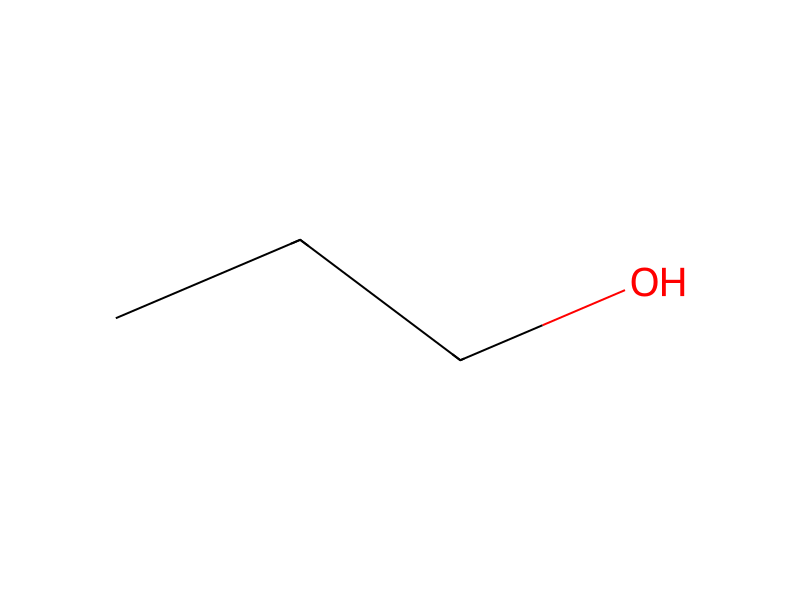
Procedure
Material V (0.01 m) in 50 ml. acetic acid was hydrogenated at 40 psi using 300 mg 10% palladium on carbon as catalyst until hydrogen uptake stopped (~100% theoretical observed). The catalyst was removed by filtration and the filtrate concentrated. The residue was treated with dilute potassium carbonate and extracted with methylene chloride to give an oil which was converted to a hydrogen fumarate salt in 1-propanol; mp 168°-171° C.
Workup
- customThe catalyst was removed by filtration
- concentrationthe filtrate concentrated
- additionThe residue was treated with dilute potassium carbonate
- extractionextracted with methylene chloride
- customto give an oil which
Sources & evidence
- ORD record
- ord-9ac0272ee10041f4bc6fa10675e3f8eb
- Source dataset
- uspto-grants-1977_04
- Patent number
- US04016167
Reaction notes
Loading…