Isopropanol → HCID 21441211, compound
Reaction equation

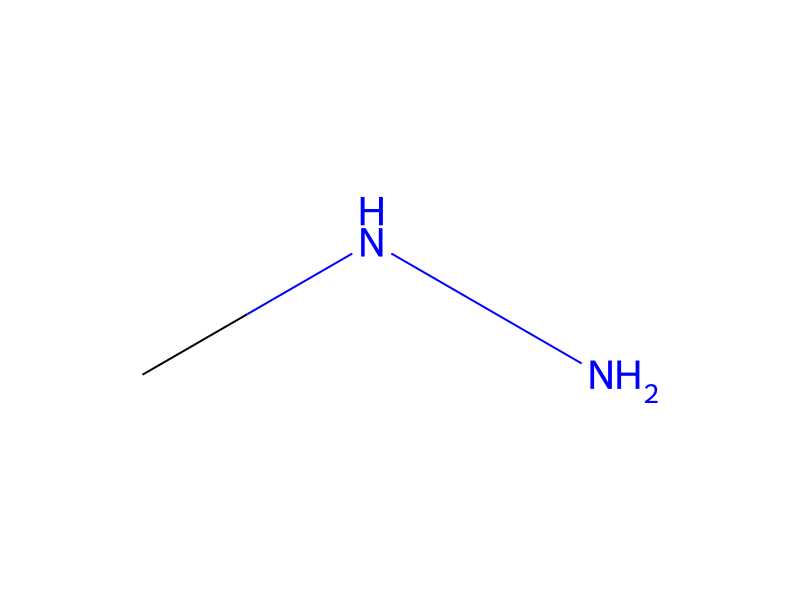
[CH3:1][NH:2][NH2:3].C(O)(C)C.[CH:8]1([C:14](=O)[CH:15]([CH3:24])[C:16]([CH:18]2[CH2:23][CH2:22][CH2:21][CH2:20][CH2:19]2)=O)[CH2:13][CH2:12][CH2:11][CH2:10][CH2:9]1>O>[CH:8]1([C:14]2[C:15]([CH3:24])=[C:16]([CH:18]3[CH2:23][CH2:22][CH2:21][CH2:20][CH2:19]3)[N:2]([CH3:1])[N:3]=2)[CH2:13][CH2:12][CH2:11][CH2:10][CH2:9]1Participants
Reactant 3


Product 1

Reagents, catalysts & solvents 1

Conditions
- Temperature
- 90 °C
Procedure
Methylhydrazine (1.0 g, 0.022 mole) is added at 60° C-70° C with stirring to an isopropanol (200 ml) solution of 1,3-dicyclohexyl-2-methyl-1,3-propanedione (5.0 g, 0.02 mole) having a m.p. =36°--37° C and prepared by the procedure of Example 3 above. The reaction is heated at reflux for 4 hours, then cooled, water (300 ml) added and the resulting solid filtered off. The solid is dissolved in anhydrous toluene, methyl hydrazine (1.0 g, 0.022 mole) added and the reaction mixture heated at 90° C for 4 hours. Then additional methyl hydrazine (1.0 g, 0.022 mole) is added and heating continued for 3 hours. The reaction mixture is cooled. The solvent removed on a rotary evaporator and the resulting solid crystallized from hexane/benzene to give 1.7 g (32%) of the desired product, m.p. 120° C to 122° C.
Workup
- customa m.p. =36°--37° C
- customprepared by the procedure of Example 3 above
- temperatureThe reaction is heated
- temperatureat reflux for 4 hours
- temperaturecooled
- filtrationthe resulting solid filtered off
- dissolutionThe solid is dissolved in anhydrous toluene
- temperatureheating
- temperatureThe reaction mixture is cooled
- customThe solvent removed on a rotary evaporator
- customthe resulting solid crystallized from hexane/benzene
Sources & evidence
- ORD record
- ord-b7510e1e37d540d5a81252c552e3e9cf
- Source dataset
- uspto-grants-1977_04
- Patent number
- US04017298
Reaction notes
Loading…