1,5-Dibromopentane → HCID 54472139, compound
Reaction equation

[H-].[K+].O1CCOCC1.[CH:9]([S:12][CH2:13][S:14](=[O:18])[CH:15]([CH3:17])[CH3:16])([CH3:11])[CH3:10].Br[CH2:20][CH2:21][CH2:22][CH2:23][CH2:24]Br>C(Cl)Cl>[CH:9]([S:12][C:13]1([S:14](=[O:18])[CH:15]([CH3:17])[CH3:16])[CH2:24][CH2:23][CH2:22][CH2:21][CH2:20]1)([CH3:11])[CH3:10]Participants
Reactant 4



Product 1

Reagents, catalysts & solvents 1

Procedure
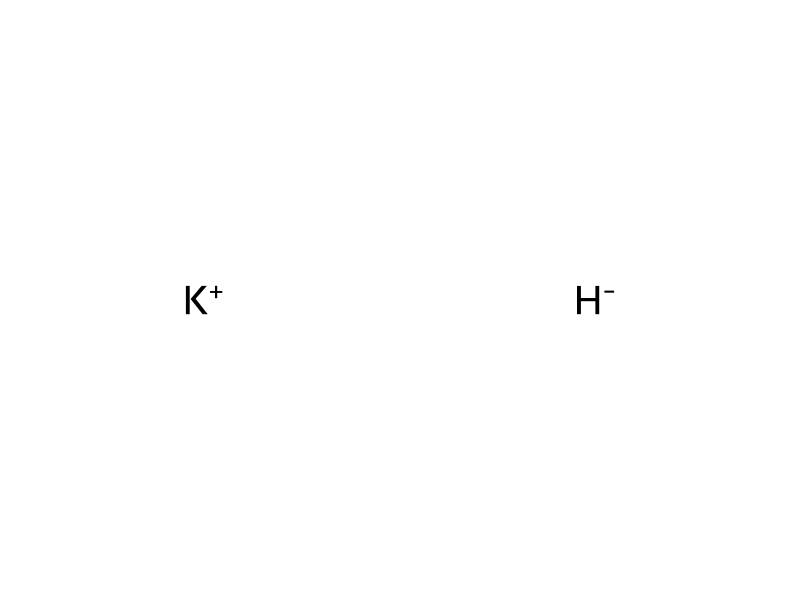
Potassium hydride (995 mg) was suspended in 15 ml. of dioxane, and with ice cooling, 1.804 g of formaldehyde diisopropyl mercaptal S-oxide was added gradually. The mixture was stirred for 1 hour with ice cooling, and then 2.411 g of 1,5-dibromopentane was added. Then, the mixture was stirred for 18 hours at room temperature. Methylene chloride (100ml) was added, and the isoluble matter was separated by filtration. After the evaporation of the filtrate at reduced pressure, the residue was separated by column chromatography (basic alumina, eluted with benzene, methylene chloride, and ethyl acetate) to afford 1.463 g of cyclohexanone diisopropyl mercaptal S-oxide as a colorless oil. The yield was 59%. The physical properties and the results of elemental analysis were as follows:
Workup
- stirringThen, the mixture was stirred for 18 hours at room temperature
- customthe isoluble matter was separated by filtration
- customAfter the evaporation of the filtrate at reduced pressure
- customthe residue was separated by column chromatography (basic alumina, eluted with benzene, methylene chloride, and ethyl acetate)
Sources & evidence
- ORD record
- ord-ac3f66267eb94e6b8dd673b63e31d3f2
- Source dataset
- uspto-grants-1977_04
- Patent number
- US04020171
Reaction notes
Loading…