2-Chlorobenzaldehyde → HCID 68120616, compound
Reaction equation

[Cl:1][C:2]1[CH:9]=[CH:8][CH:7]=[CH:6][C:3]=1[CH:4]=O.[CH2:10]([O:12][C:13](=[O:21])[CH2:14][C:15]([CH2:17][O:18][CH2:19][CH3:20])=O)[CH3:11].[CH2:22]([O:24][C:25](=[O:30])/[CH:26]=[C:27](\[NH2:29])/[CH3:28])[CH3:23]>C(O)C>[CH2:10]([O:12][C:13]([C:14]1[CH:4]([C:3]2[CH:6]=[CH:7][CH:8]=[CH:9][C:2]=2[Cl:1])[C:26]([C:25]([O:24][CH2:22][CH3:23])=[O:30])=[C:27]([CH3:28])[NH:29][C:15]=1[CH2:17][O:18][CH2:19][CH3:20])=[O:21])[CH3:11]Participants
5
Reactant 3
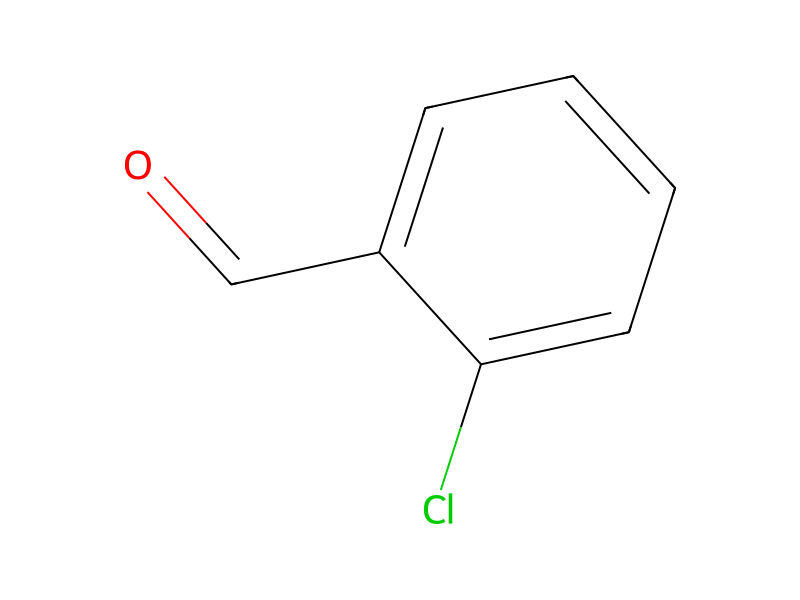
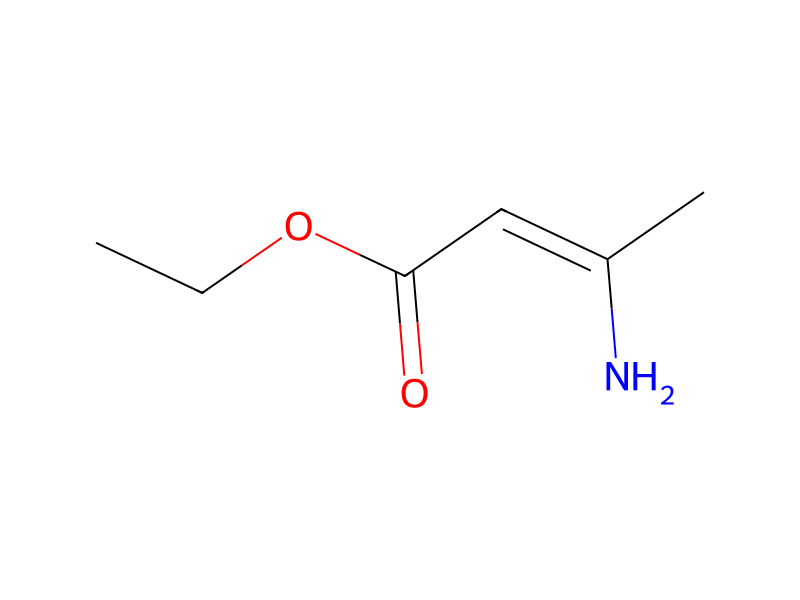

Product 1

Reagents, catalysts & solvents 1

Procedure
After heating a solution of 14 g of 2-chlorobenzaldehyde, 17.4 g of γ-ethoxyacetoacetic acid ethyl ester and 13 g of β-aminocrotonic acid ethyl ester in 80 ml of ethanol under reflux for several hours, 2-ethoxymethyl-6-methyl-4-(2'-chlorophenyl)-1,4-dihydropyridine-3,5-dicarboxylic acid diethyl ester is obtained, after cooling, in the form of light yellow crystals of melting point 115° C, in a yield of 55% of theory.
Workup
- temperatureunder reflux for several hours
Sources & evidence
- ORD record
- ord-5222281204554188aa900ec5e1182a7b
- Source dataset
- uspto-grants-1977_04
- Patent number
- US04020178
Reaction notes
Loading…